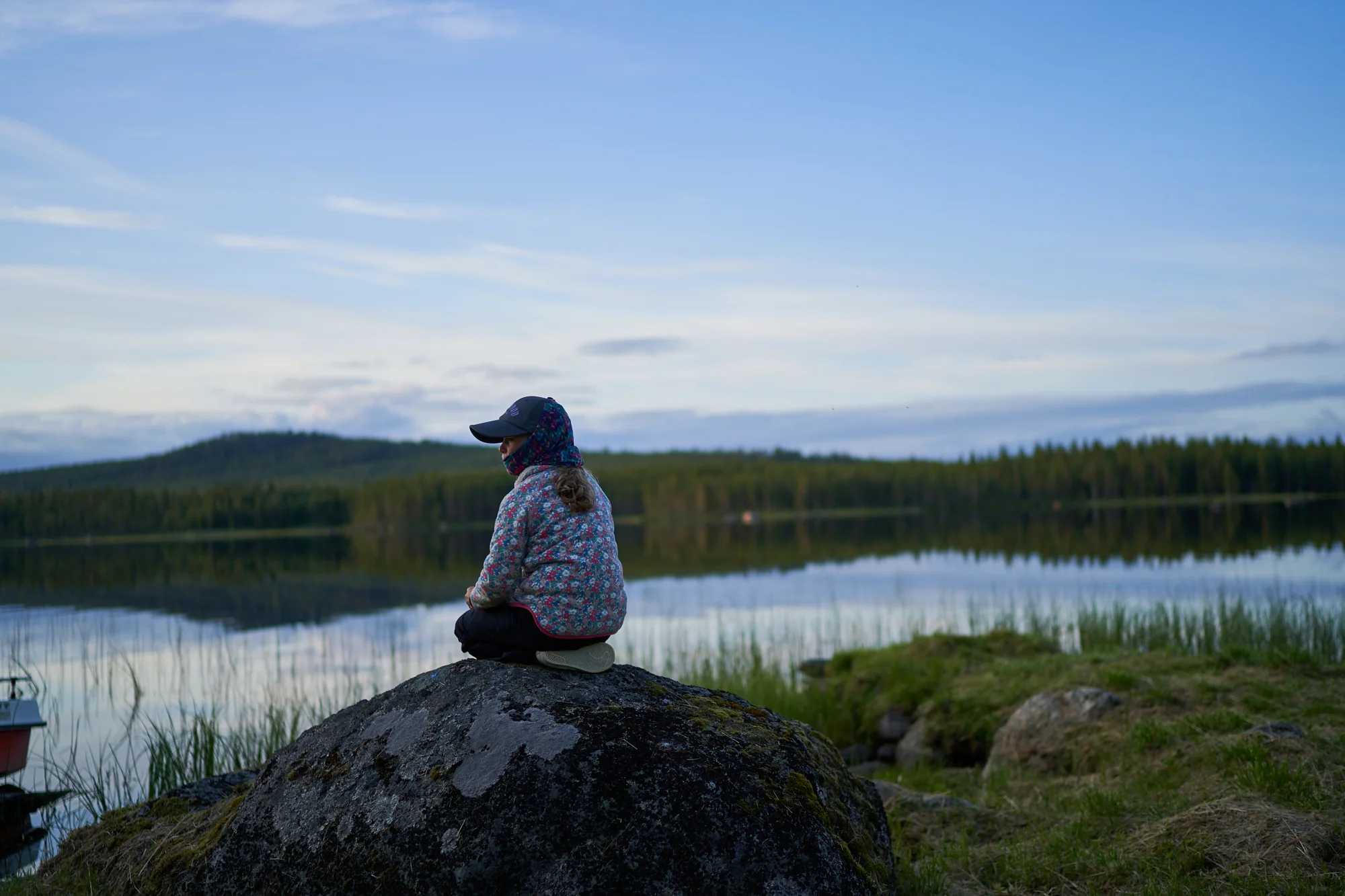
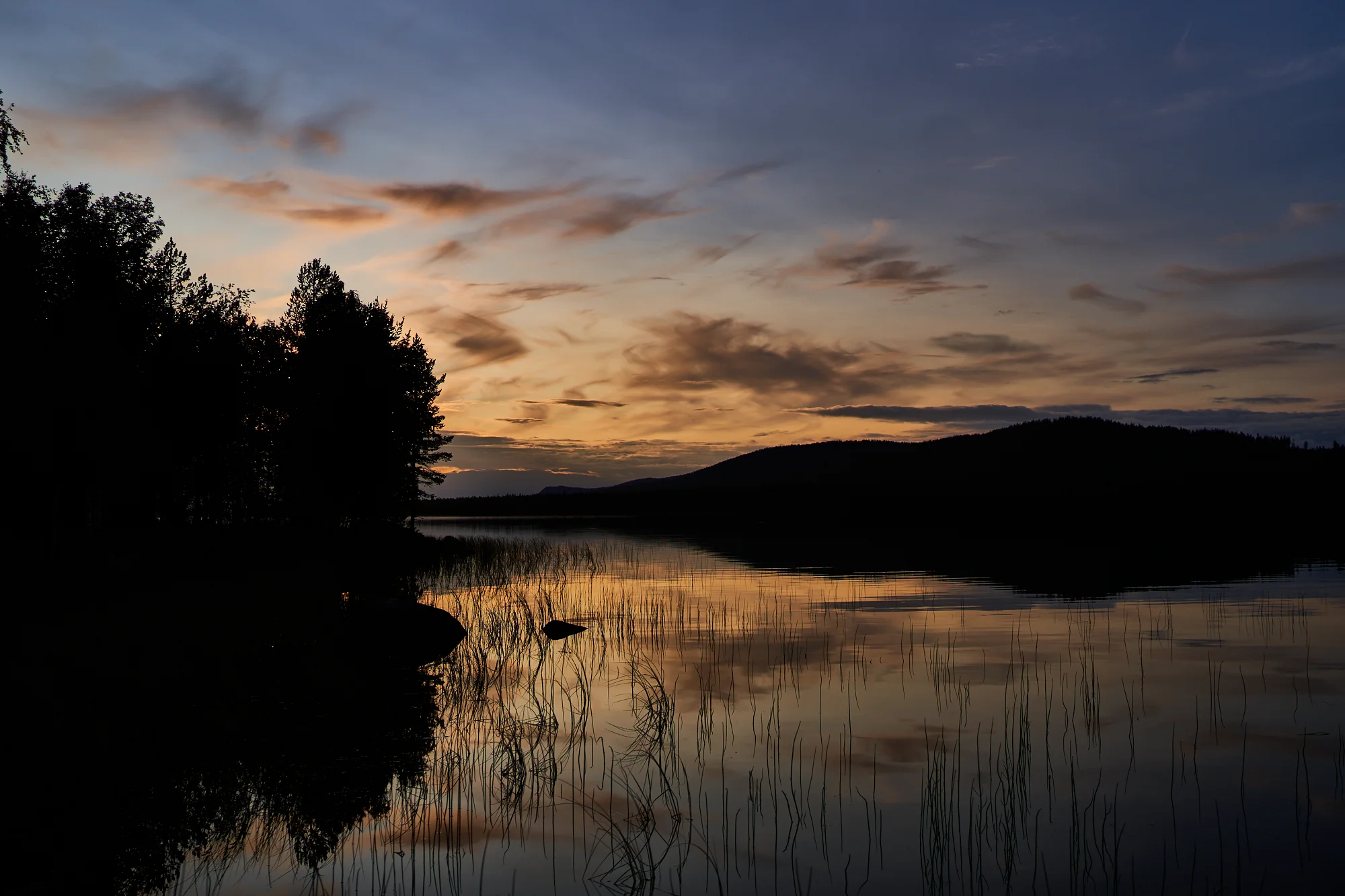
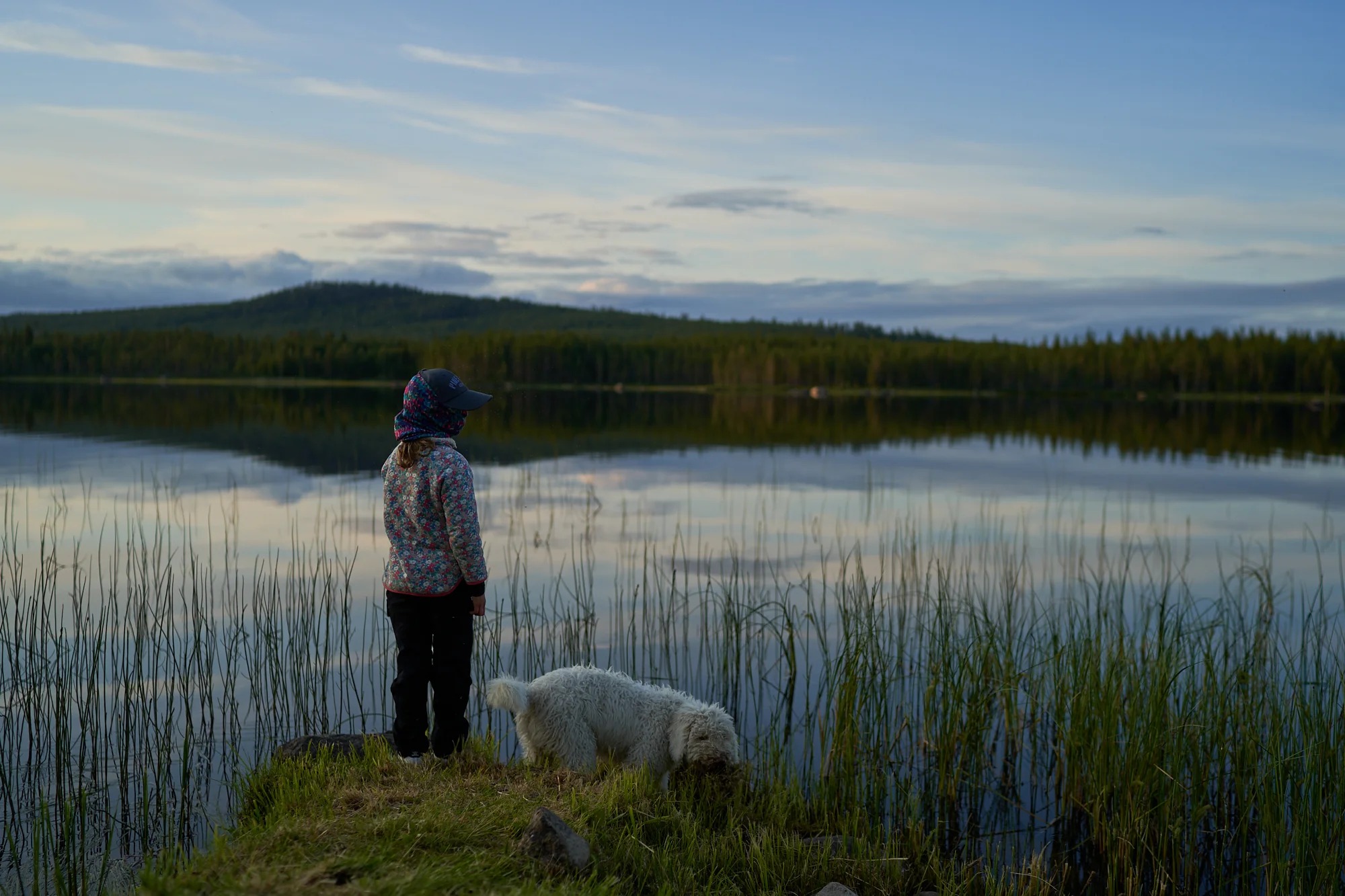
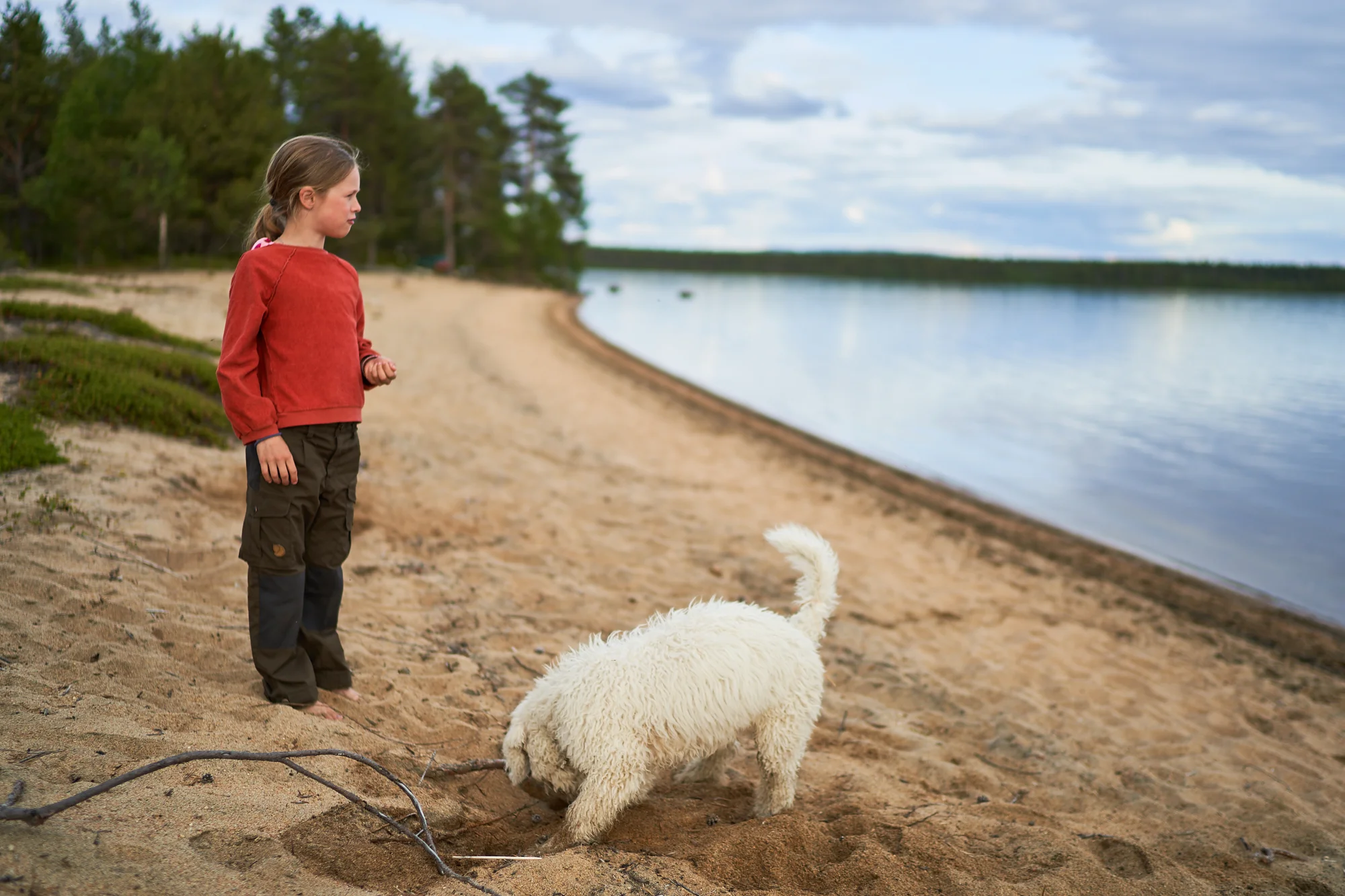
It’s no coincidence we found ourselves heading to Sweden for the third time. Not out of habit, but out of love — for its endless forests, its quiet rhythm, and the freedom it gives us to travel our own way. Sweden feels both familiar and vast enough to keep surprising us. It’s the kind of country you can visit over and over again and still barely scratch the surface.
All of Scandinavia is still on our list — Norway, Finland, Iceland — but Sweden keeps calling us back. After last summer’s reconnaissance trip and our overlanding test in Northern Spain earlier this year, we felt ready to take things a step further.
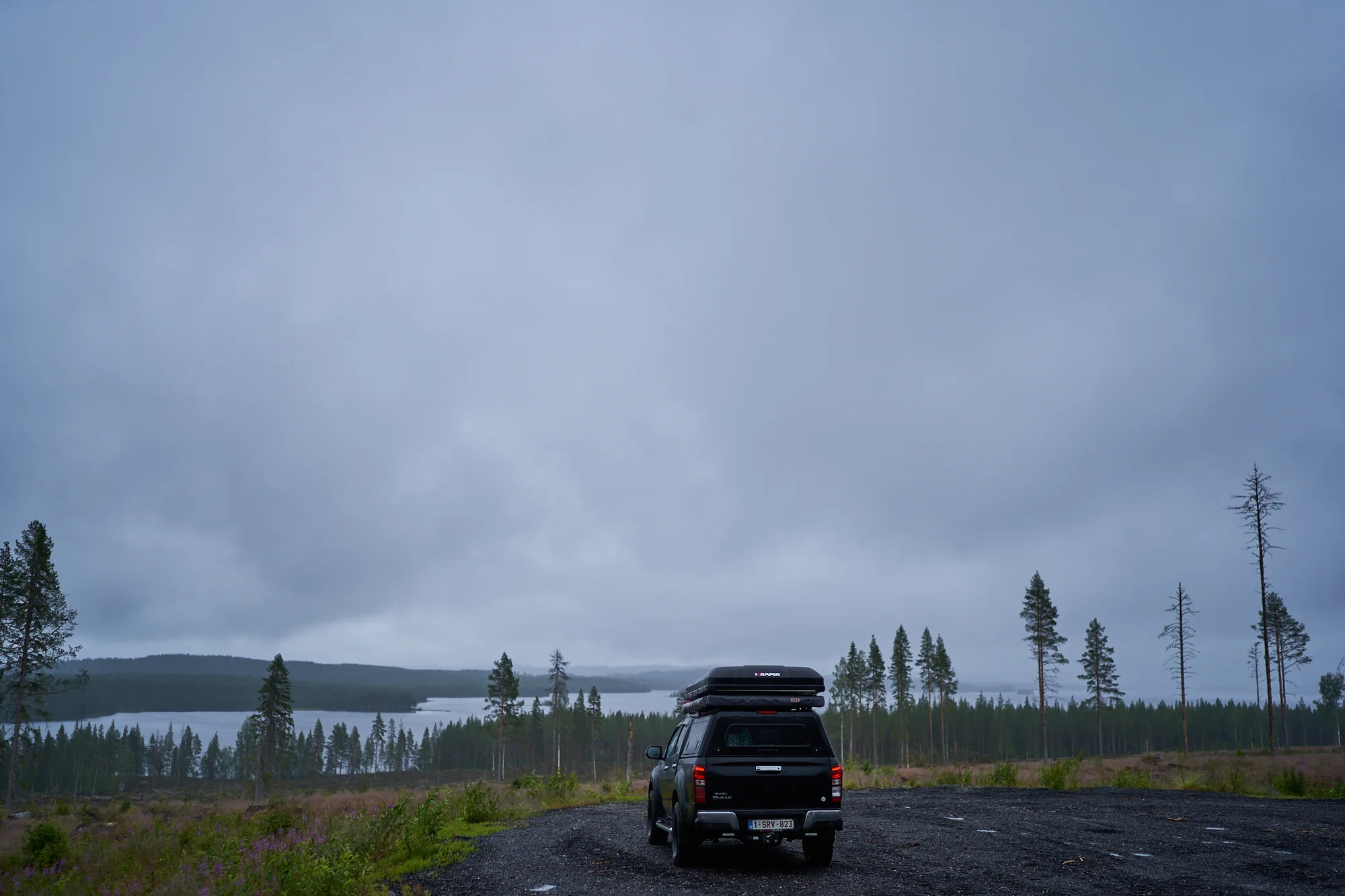
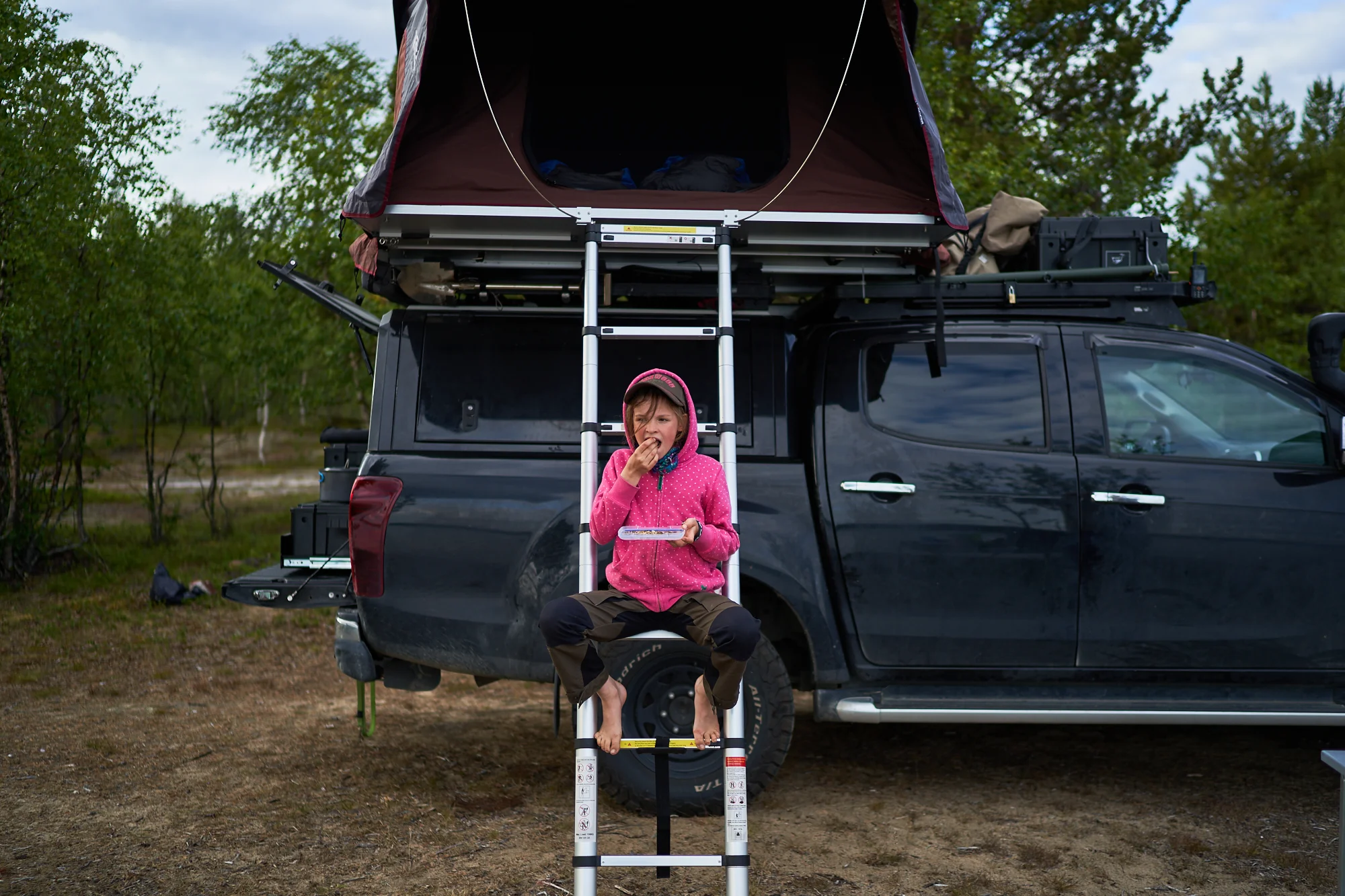
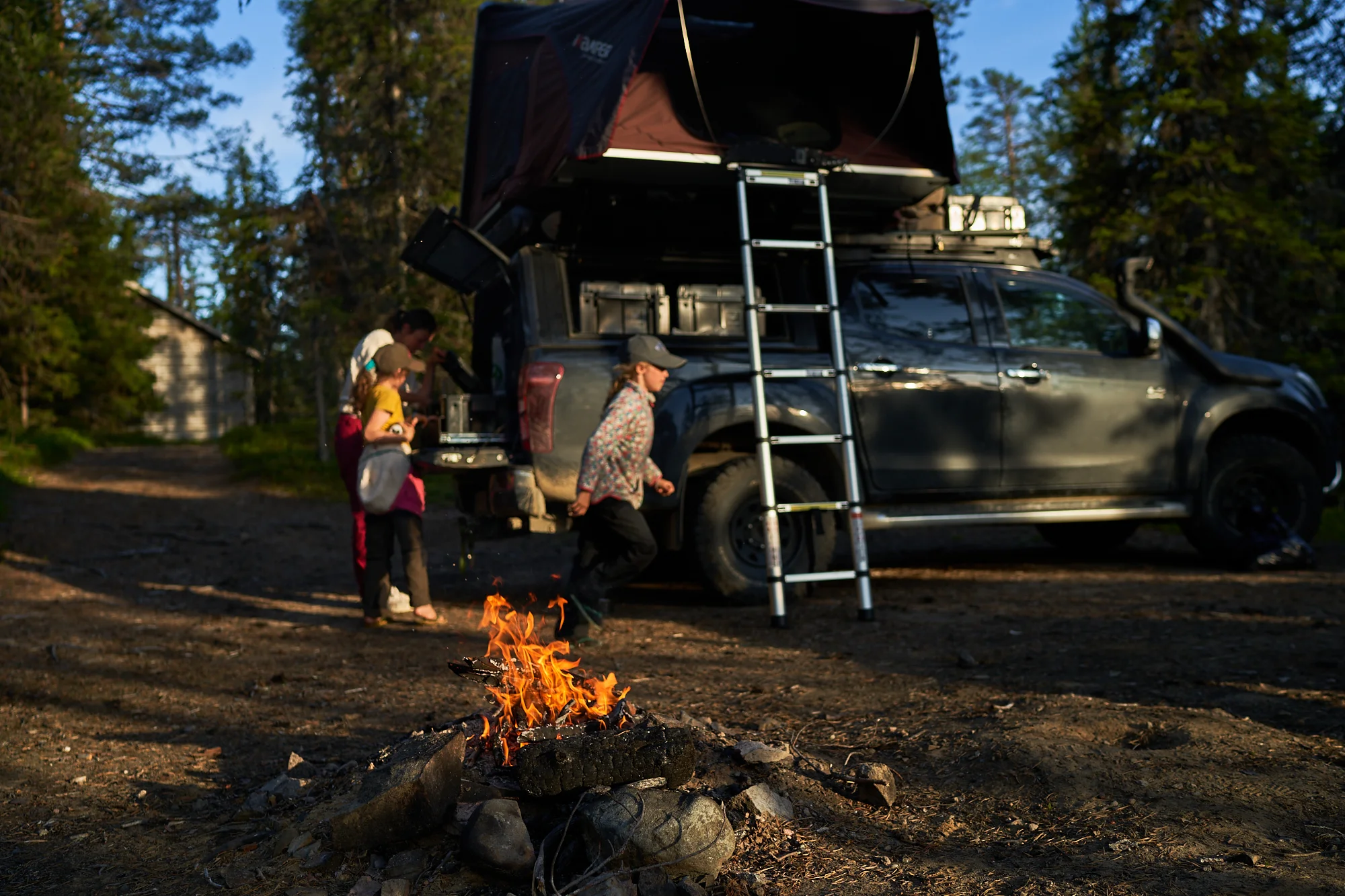
We’d made a few small but crucial improvements to our setup, learned a lot about logistics (and patience), and were determined to plan less than ever before. One general direction, one fixed layover, and faith would decide the rest. No booked cabins this time. No official campgrounds. Just the open road, the Allemansrätten — Sweden’s right to roam — and our rooftop tent.
A familiar beginning
Like previous years, our journey began at Wildlife Sweden — the home of Marco and Aafke, who have become more like friends than hosts. We drove the 2,000 kilometers in two long days, with only a quick Airbnb stop near the Öresund Bridge. The moment we turned onto the small gravel road that leads to Ängra, I felt my whole body relax.
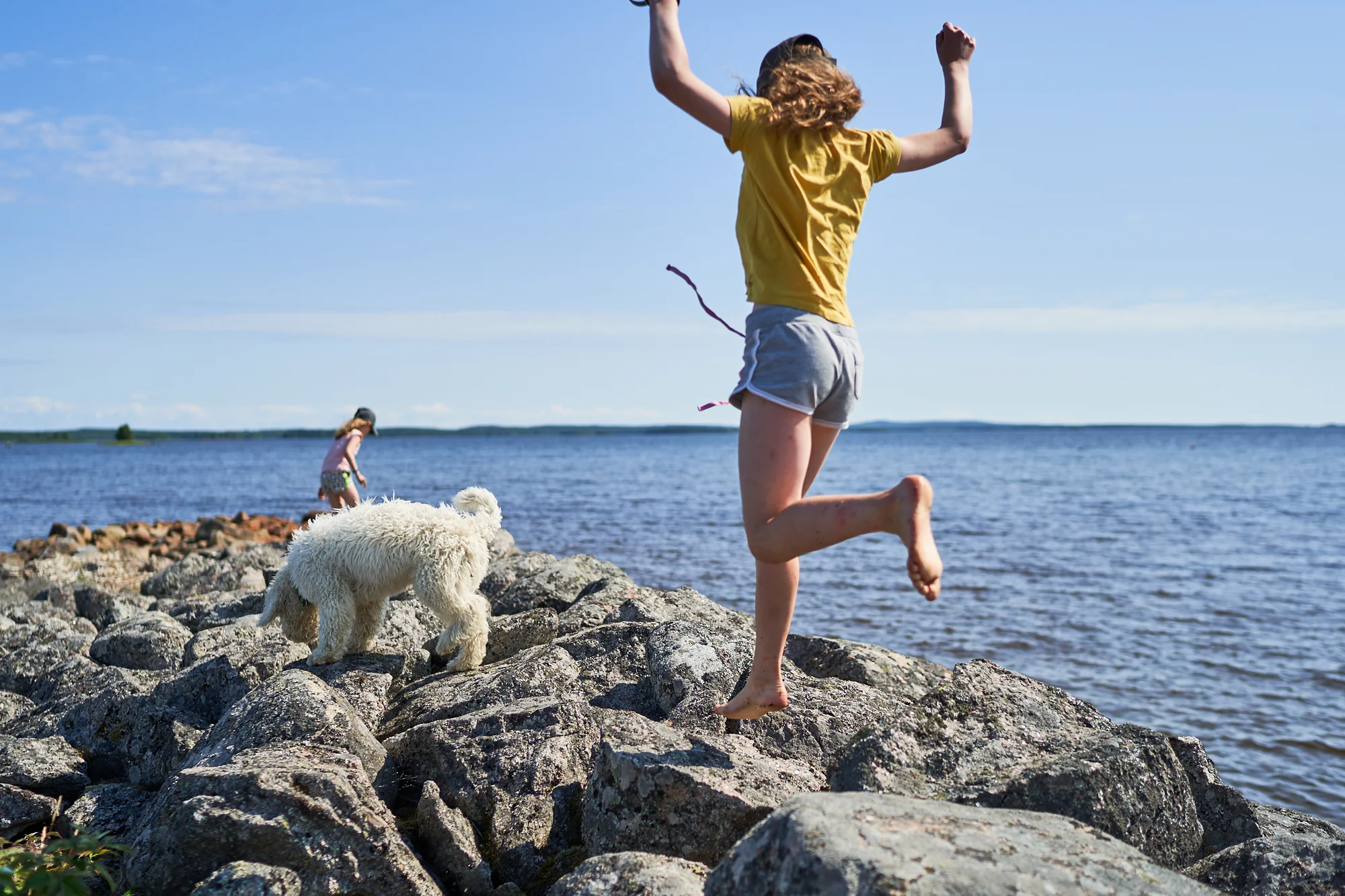
The kids turned feral within minutes, running barefoot through the grass, greeting the chickens like long-lost friends. Aafke welcomed us with her usual smile, and Marco helped me park the truck. Every year we find new kindred spirits there — families who also prefer slow mornings, late-night campfires, and conversations that stretch into the small hours.
There’s something about Wildlife Sweden that always resets us: the sound of the river, the forest light, the smell of smoke and pine. Aafke’s dinners — simple, local, delicious — are legendary. And yet, after a few days of rest, we start feeling that familiar itch again: time to move, time to wander.
The wilderness road
Our route this year followed Vildmarksvägen — The Wilderness Road — a 500-kilometer loop through the wild heart of Central Sweden. It winds past mountain ranges, lakes, and forests so vast they feel like an ocean of green.
You could drive it in two days, but that would miss the point entirely. The beauty of this road lies in the detours — the gravel paths that vanish into the woods, the dirt tracks that climb into the mountains. Civilization fades fast out here. Between a few small villages and one or two larger towns, it’s just you, nature, and the hum of your engine.
Our first stop was Alänaset, a lakeside hamlet where the water was so pure you could drink it straight. The place was run by the villagers themselves, who’d set up a small “honesty cabinet” filled with homemade jam, eggs, and bread. Not the most dramatic scenery in Sweden, but full of quiet charm. After weeks of wild camping, even a wooden toilet feels luxurious.
An elderly German couple, both in their eighties, parked their van beside us one evening. The man admired our truck, his eyes full of nostalgia. “If only I were twenty years younger,” he said. I hope I’ll still be exploring the wild when I’m his age — we’re actively training for that, you could say.
Into the high mountains
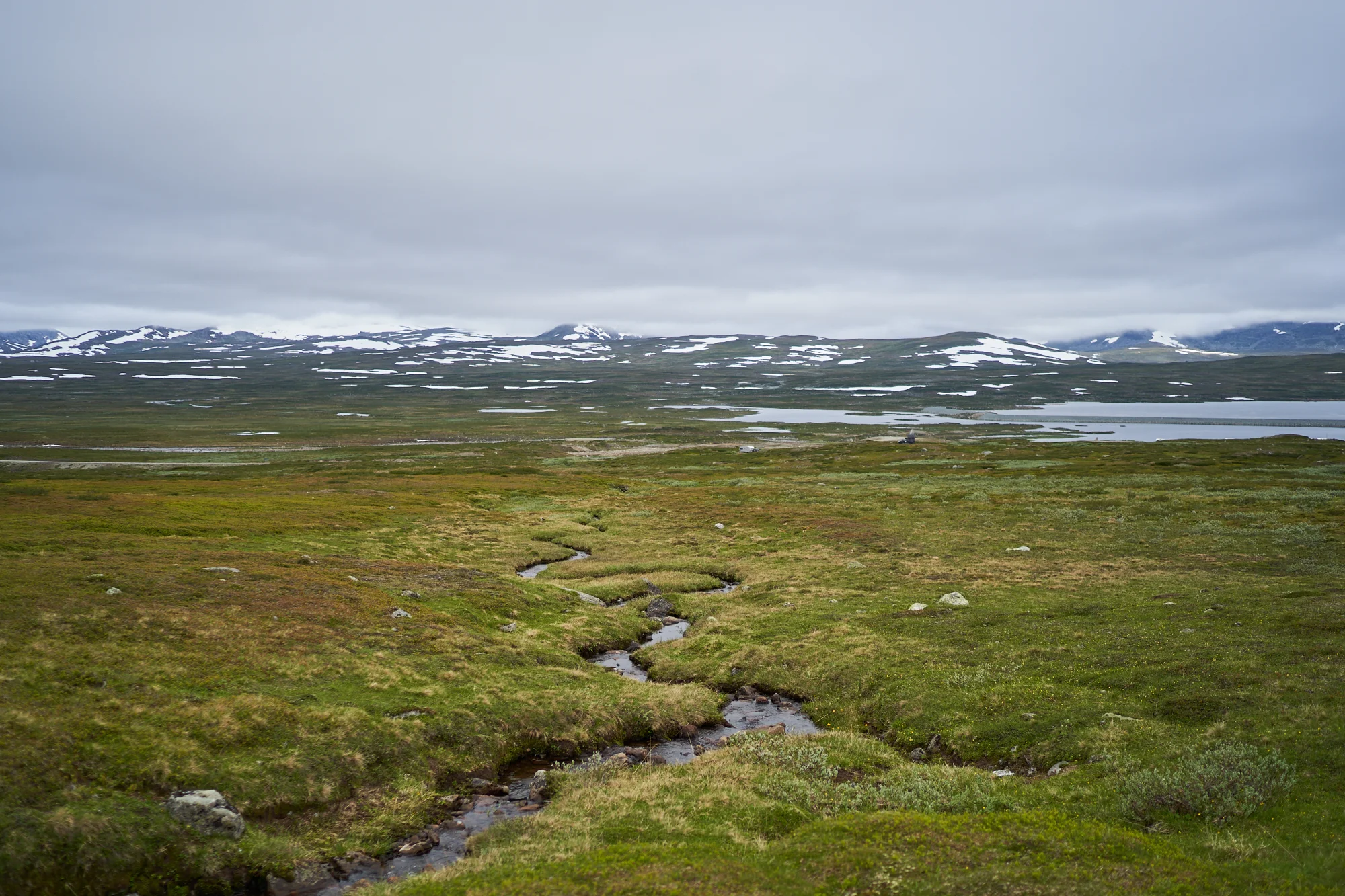
Beyond Alänaset, the road climbed higher — towards Stekenjokk, where the trees give way to tundra and the horizon stretches forever. Even in midsummer, the air was crisp, the wind strong, the light soft and endless.
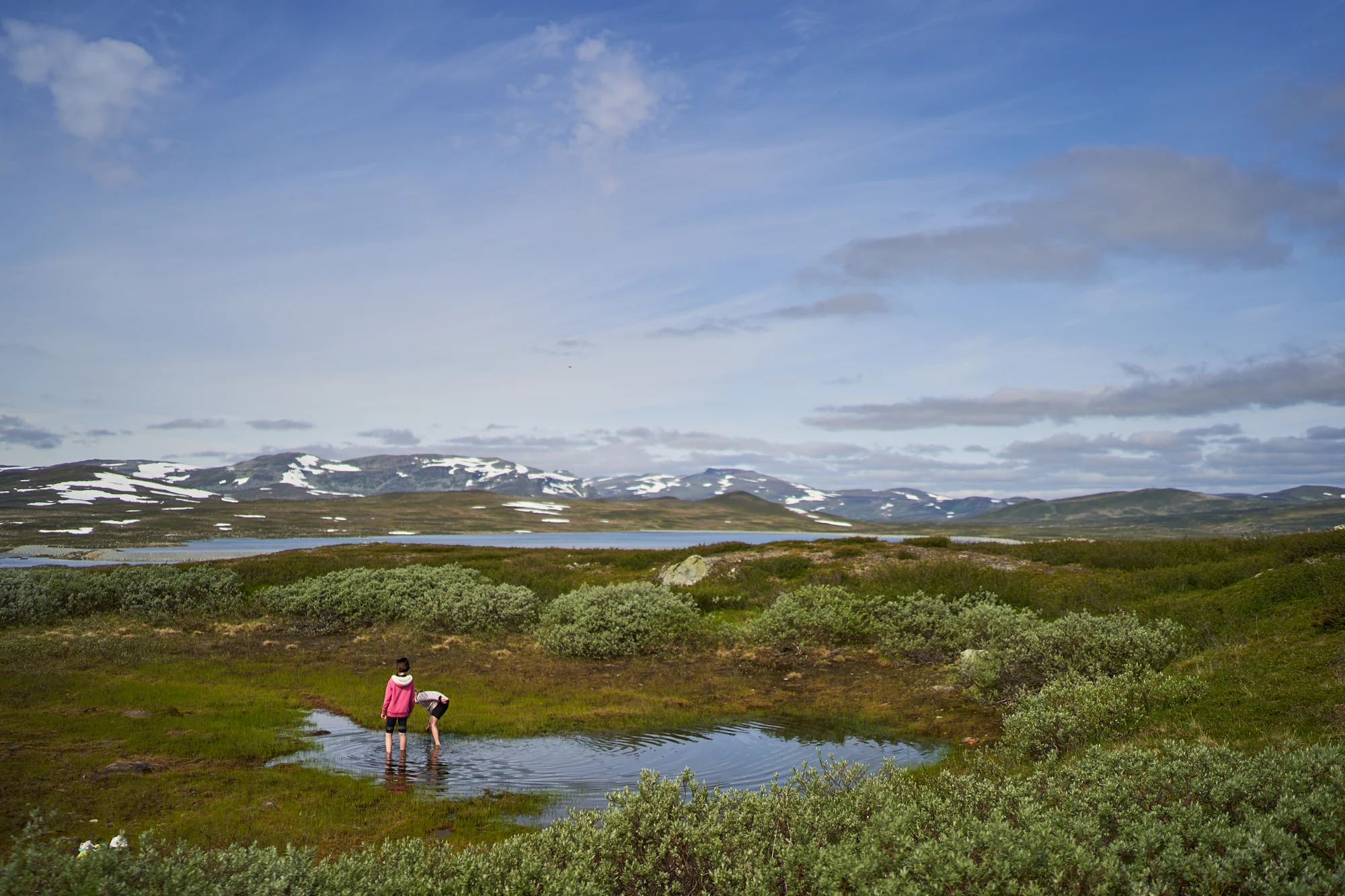
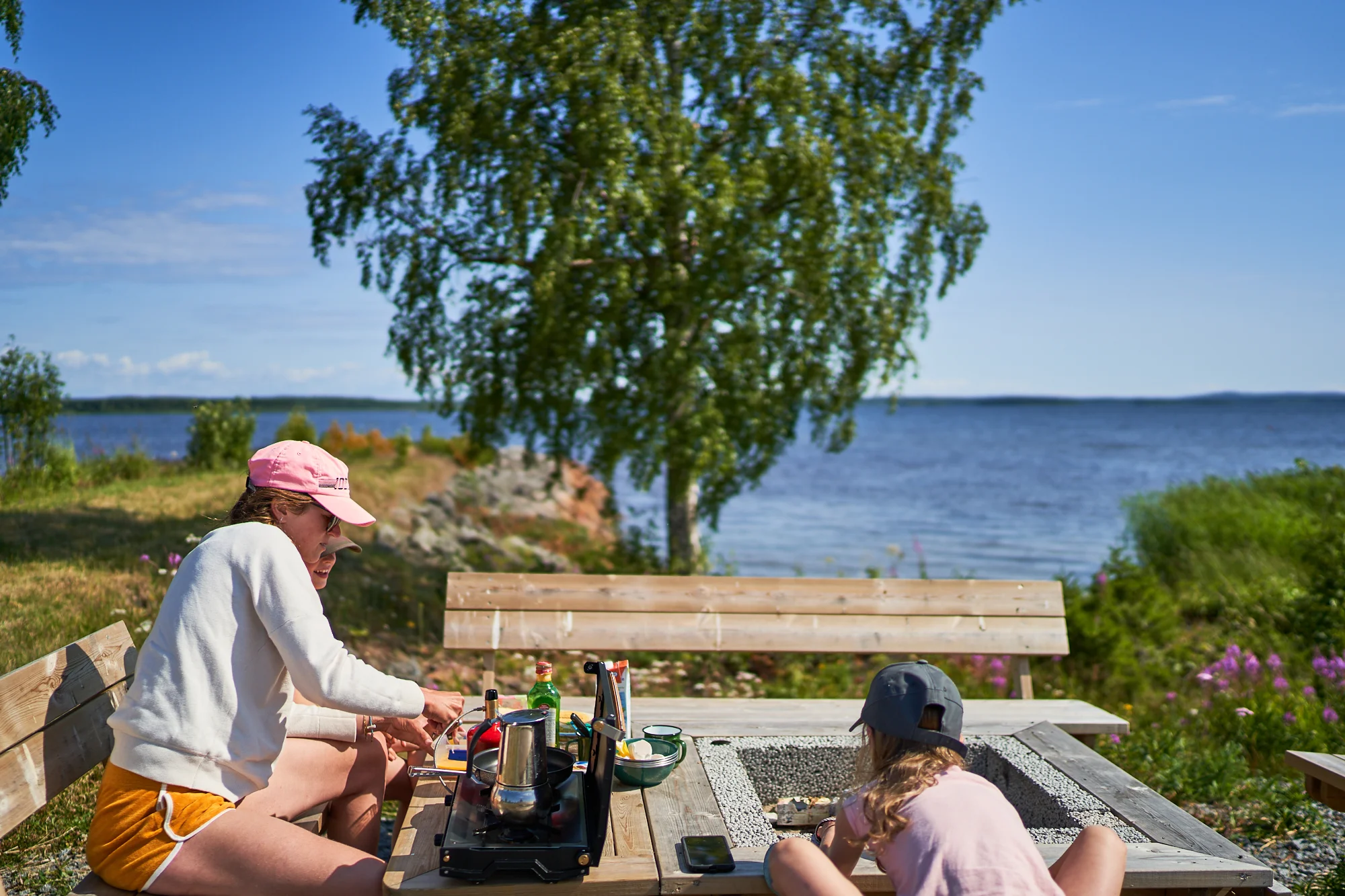
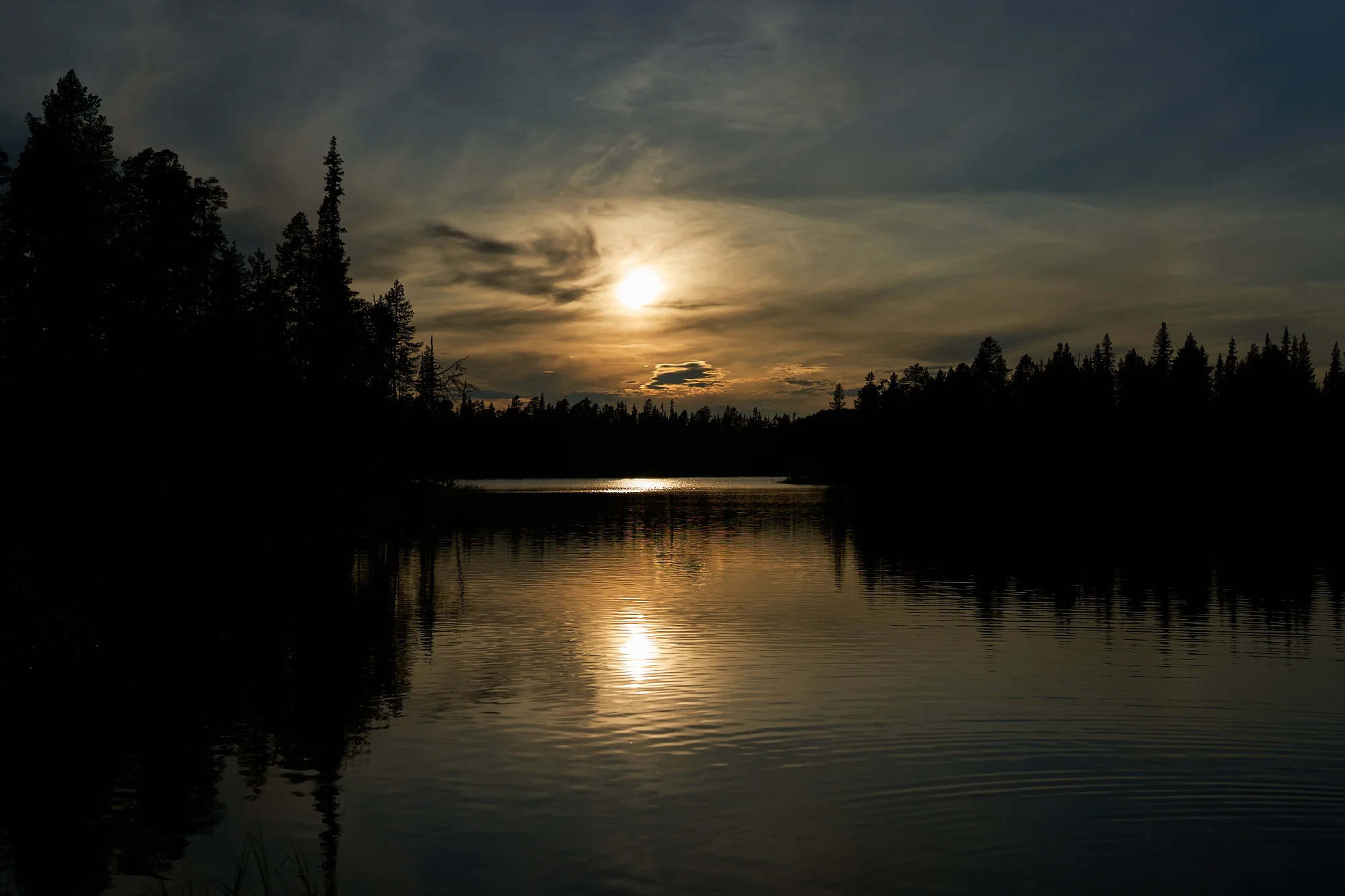
We found a spot surrounded by mossy hills and trickling streams, the snow-capped peaks visible in the distance. At night it never got truly dark — just a long twilight that turned the world silver. We bathed in icy pools, brewed coffee on the stove, and went to sleep early under the whispering wind.
It was raw, minimal, perfect.
Mornings began at 5:45, with walks up the nearest ridge while the kids still slept in the rooftop tent. We’d leave a small radio hanging from the ladder so they could reach us if needed. From up there, you could see nothing but space — miles and miles of untouched wilderness.
The cold was sharp but invigorating. We huddled close at night, our sleeping bags heavy with frost. One night I woke shivering — my thinner bag proving less heroic than I’d hoped — but it only made the warmth of morning coffee taste even better.
After three days, the wind picked up and temperatures dropped close to freezing. Fingers stiff, we packed up the truck in twenty minutes flat and rolled downhill, chasing twelve degrees and the promise of breakfast.
Roadside breakfast and the long gravel roads
We eventually stumbled upon a Gästhaus that looked deserted — no one in sight, just the faint smell of coffee. Liene, fearless as ever, wandered upstairs and found a small breakfast room with bread, eggs, and cheese. We helped ourselves, left some money, and enjoyed a Keto-approved feast by a window glowing with morning light.
Recharged, we took the slow roads again — miles of gravel winding through pine forests, with the occasional house appearing out of nowhere. I always wonder about those people: who they are, what they do, what kind of life they live here, so far from everything.
Later, a woman told us many locals work in the cities — flying to Stockholm or Gothenburg on Monday, back home by Thursday night. So yes, Scandinavia has its famous “four-day week,” but the days are long ones.
We reached Vilhelmina by late afternoon — a bustling village by Swedish standards, our chance to restock and refuel. Groceries, diesel, fresh water, almond milk, meat, and coffee — the essentials. I even found new outdoor gear (Sweden remains the best shopping country for practical souls).
Our plan, loosely defined, had been to stop here and head south again. But we arrived earlier than expected — so we scrapped the plan, as usual, and turned north.
Lapland — The far North
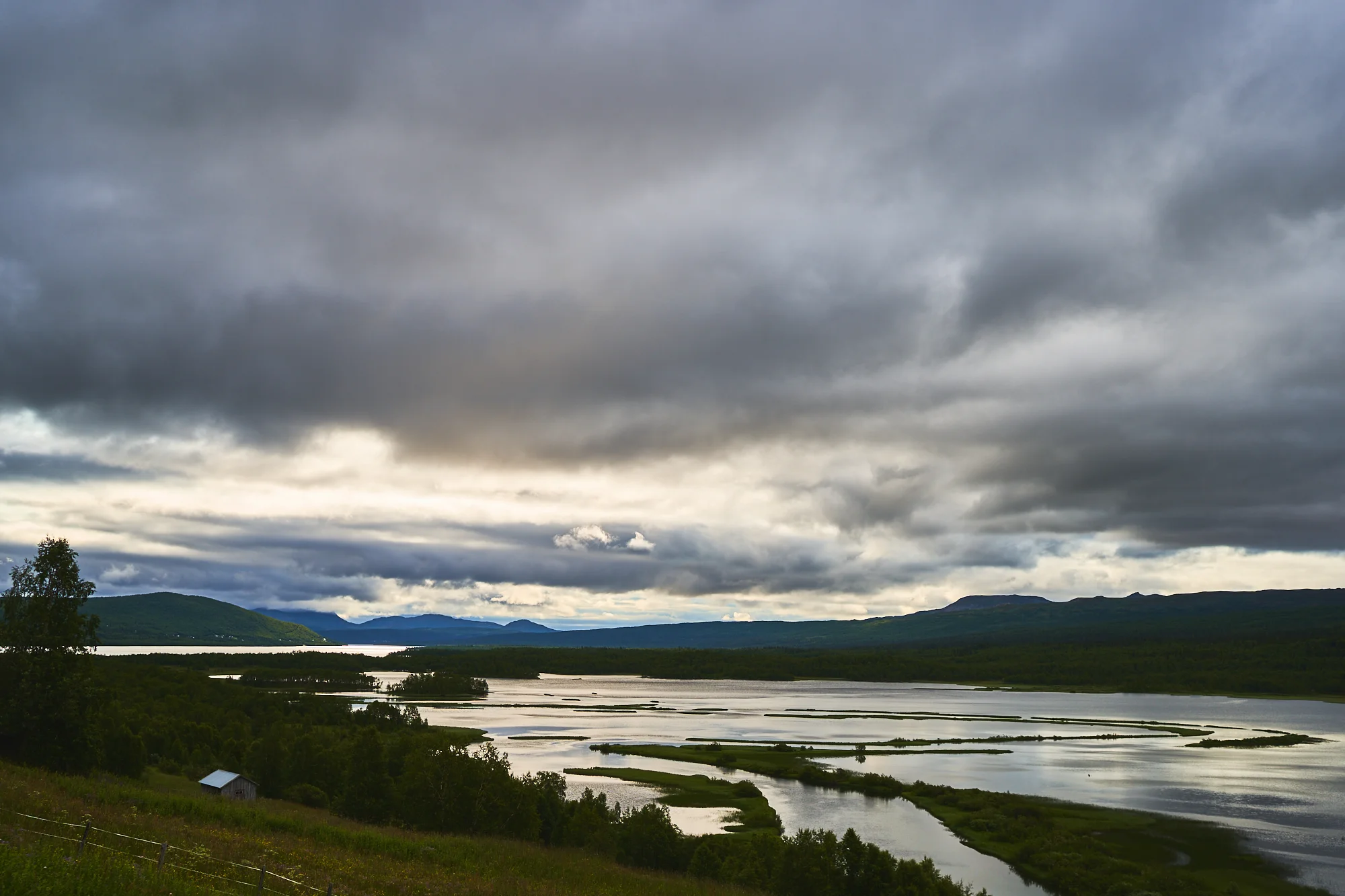
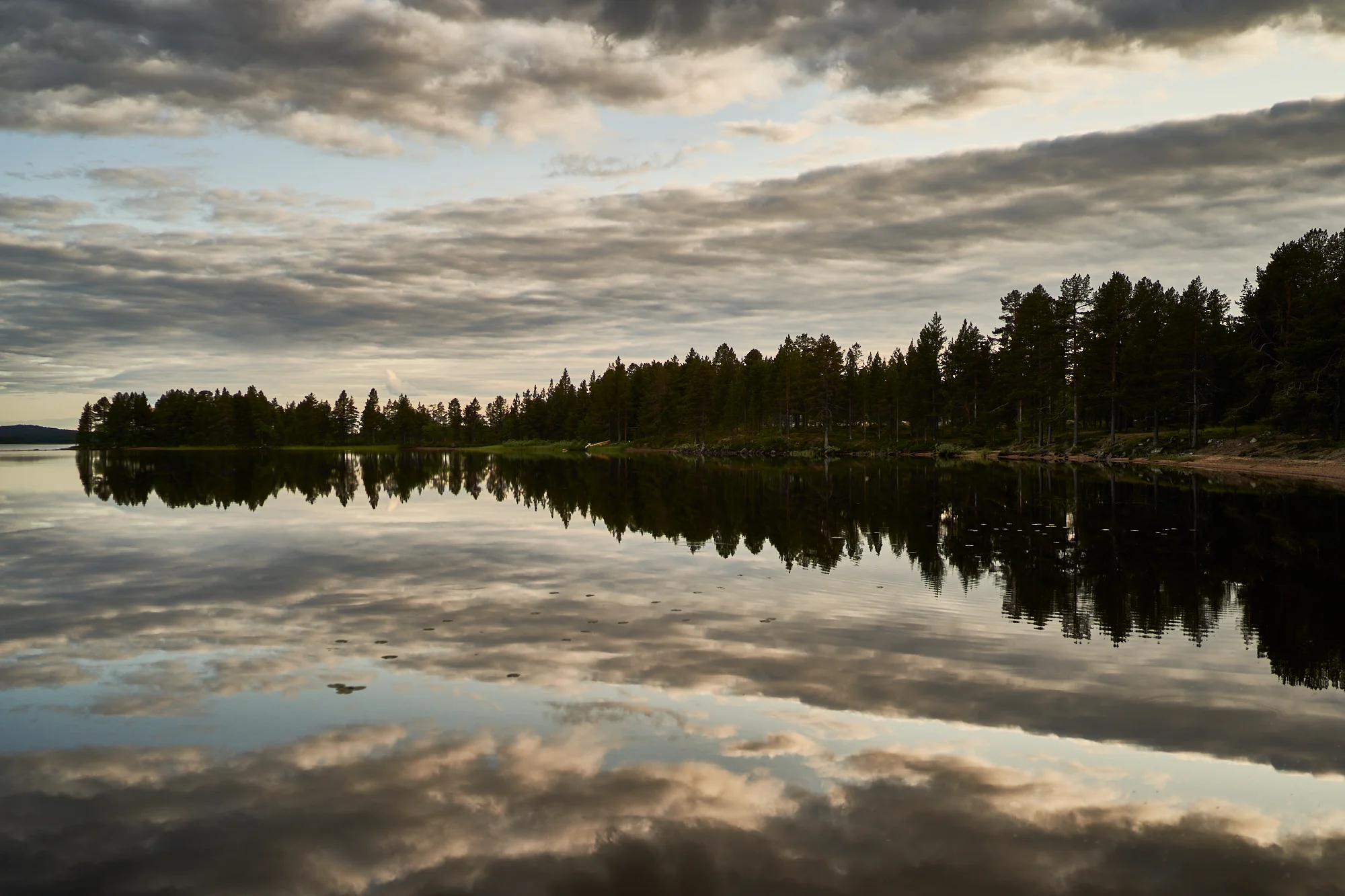
The landscape grew rougher, lonelier, wilder. Lakes mirrored the sky, the woods deepened, and a quiet melancholy settled in — the kind I love. Civilization disappeared for hours at a time, only to reappear as a lonely house by the water.
We had reached Lapland. The sign by the roadside made it official.
With the latitude came the mosquitos — relentless clouds of them, following us everywhere. Long sleeves, hats, scarves over our faces — we looked like arctic ninjas. The kids cursed them, scratched, adapted. We learned to live with them: quick tent zippers, constant bathing, smoke from campfires to keep them away. Survival with humor, as always.
Still, every morning we washed in rivers or lakes — freezing, pure, perfect. Few things wake you up quite like Arctic water.
The Arctic Circle
Somewhere on the way to Jokkmokk, we crossed the Arctic Circle — a line I’d stared at in atlases since childhood. The North Pole, the tundra, the endless daylight… I had dreamed about this moment for decades, and now I was driving through it with my family in the backseat. It was more than just a geographical line — it was a personal milestone.
We met up again with friends from Deurne — the family we’d bonded with back in Ängra. The kids reunited instantly, running wild by the lake while we enjoyed a rare lazy afternoon. Jokkmokk itself was quiet, more a settlement than a city. But it had charm, and a curious bit of trivia: in Flemish, we sometimes say “He lives in Jakkamakka” to mean “in the middle of nowhere.” Turns out Jakkamakka is a local pronunciation of Jokkmokk. We’d literally driven into our own expression.
Crossing into Finland
When our friends left for Norway, we decided on impulse to cross into Finland. The further north we went, the more the landscape shifted — birch trees replacing pines, ground turning red and golden, the horizon opening wide.
Finland felt even more deserted than Sweden. Villages were few and far between. Reindeer appeared everywhere — on roads, in rivers, sometimes right next to our camp. At one lake we found perfect sand, deep silence, and… millions of mosquitos. We stayed anyway. Watching the reindeer walk past our tent at night was pure magic.
I barely slept — part vigilance, part awe — knife by my side, listening to the soft splash of animals wading through the water.
The next morning, with the first sunlight and another mosquito ambush, we packed fast and moved on. We had reached the northernmost point of our journey — 4,200 kilometers from home. From now on, every road would lead south.
The way back
We traced the long route home through Finland’s forests, then back into Sweden along the Bothnian Sea. The contrast was striking — coastline instead of woods, human settlements instead of wilderness. The coast was pretty but busy, and after a few fruitless hours looking for a good wild spot, we turned inland again.
That’s when we found Storforsen.
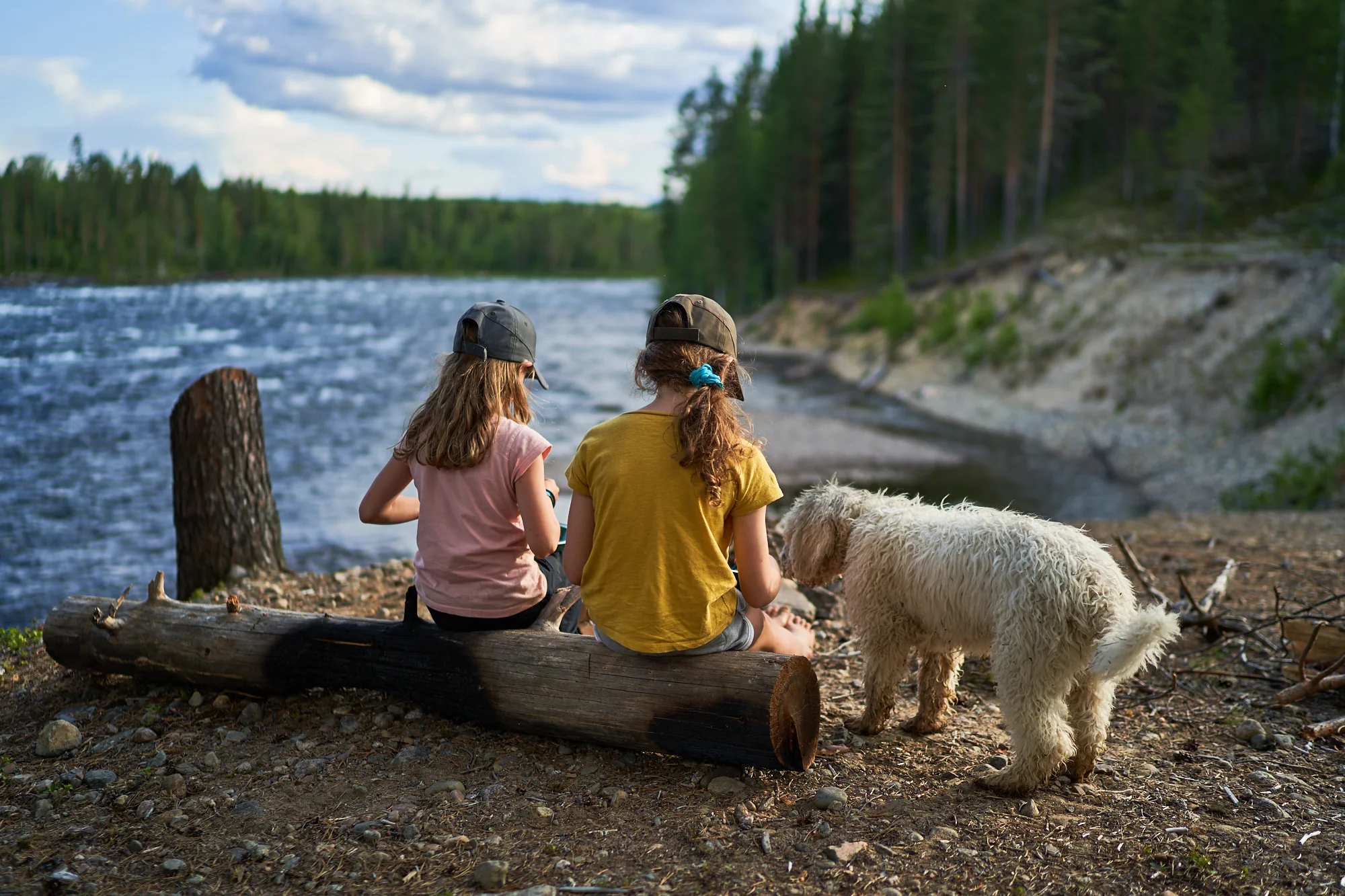
A massive river carving through pine forest, cascading over smooth rocks for hundreds of meters. Most tourists stopped at the main viewpoint, but we ventured further upriver on muddy tracks until we found a hidden clearing by the water. No one else in sight. Just the roar of the falls and the wind in the trees.
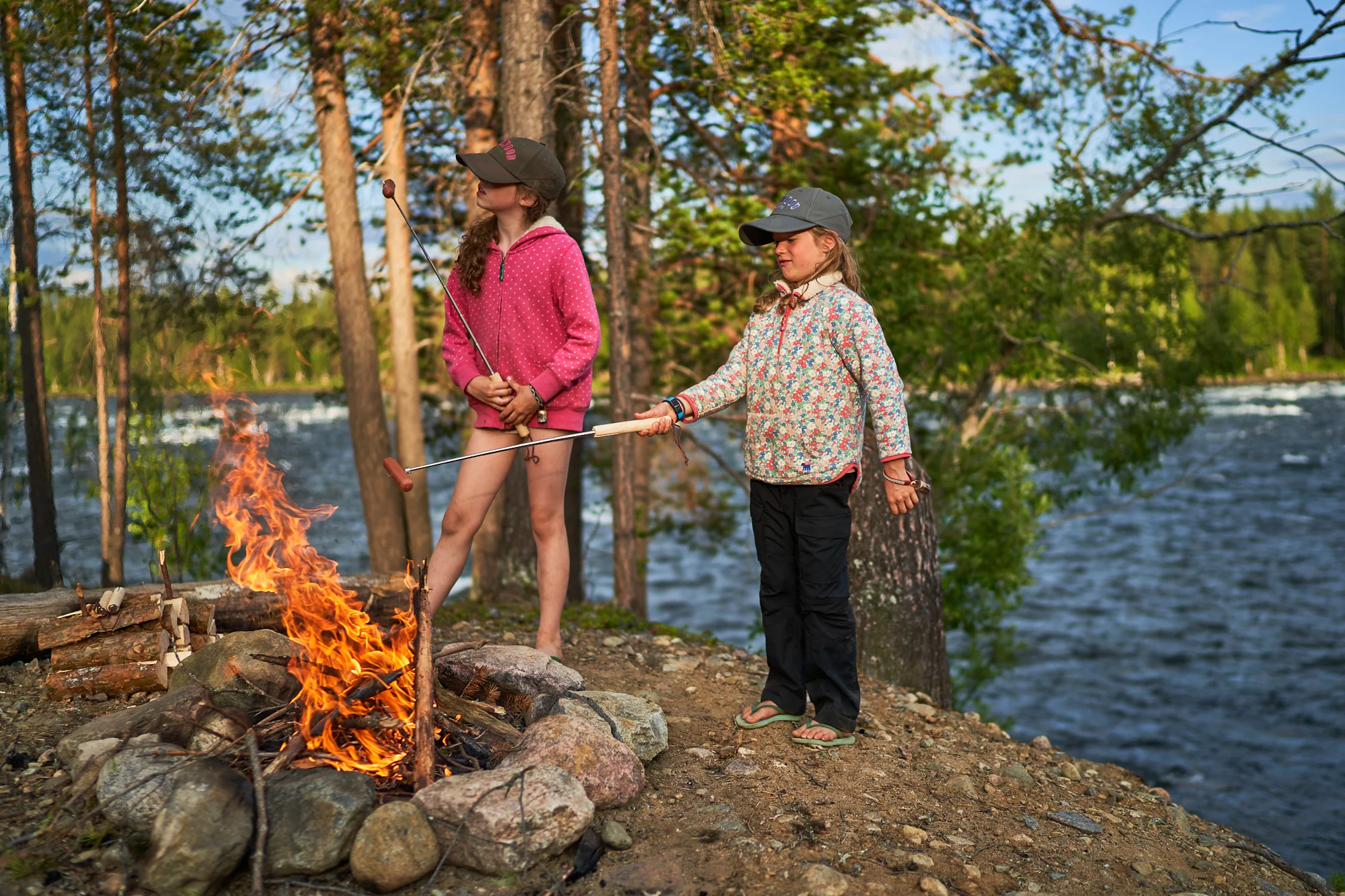
We built a fire from fallen pine logs, grilled sausages, and watched the smoke curl into the night. The river shimmered below us — silver and wild. The girls played until dusk, laughing, soaking wet and happy. It was the perfect place to end our adventure.
Full circle
By the time we returned to Wildlife Sweden, we had been on the road for nearly a month — fifteen days of pure wild camping, sleeping every night in the rooftop tent. The trip had been intense, unpredictable, unforgettable.
We’d met strangers who became friends, learned new rhythms, and pushed our comfort zones a little further north. Northern Sweden had revealed a wilder, deeper side of itself — one that suited us perfectly.
Next year, we’ll keep following that pull.
The plan (if you can call it that): head northeast, to where four countries meet — Norway, Sweden, Finland, and Russia. Fewer comforts, more time, slower pace.Because the North keeps calling.
And we’ll always come back.
Nordics — we’ll be back.
Extended Travel journal can be read here: To the arctic circle and beyond