The plan that wasn’t
We wanted to make the most of the two-week Easter break — just the four of us, close together, living small adventures, making time stretch again. What we didn’t know, was that this trip would quietly shift something inside us. After our winter journey through Sweden, the plan was to finally go camping in Scotland. But Brexit and border strikes changed our minds. I didn’t want to waste precious days waiting in line somewhere between ferries and bureaucracy.
So we dusted off the plan we’d shelved the year before: cross Spain, reach Portugal, and see where the road takes us. That was the full itinerary. No bookings, no long spreadsheets. Just a vague line on the map and twelve days to follow it. Both Liene and I had packed work schedules up until the moment we left. On Friday evening, while the kids were already asleep, we sat with our laptops and coffee, scrolling through last-minute options.
We found two places to stay on the way — one night in France, one in Spain — and decided we’d camp once we hit Portugal.
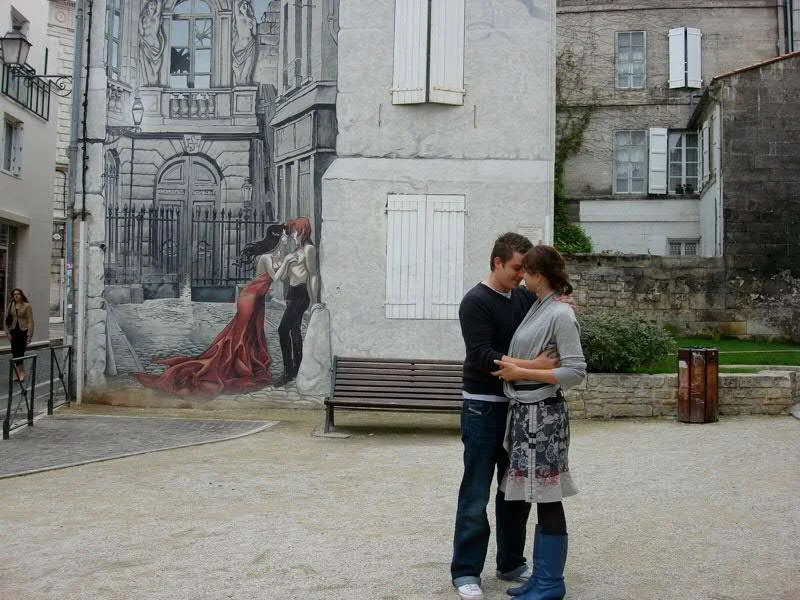
Our first stop in France, near Angoulême, carried a special meaning. Thirteen years ago, when Liene and I had only been together for two weeks, we came here with friends. We slipped away from the group and wandered through the cobbled streets of Angoulême like two young lovebirds. Returning now, with two kids in the backseat, felt like closing a small circle.
Into the mountains
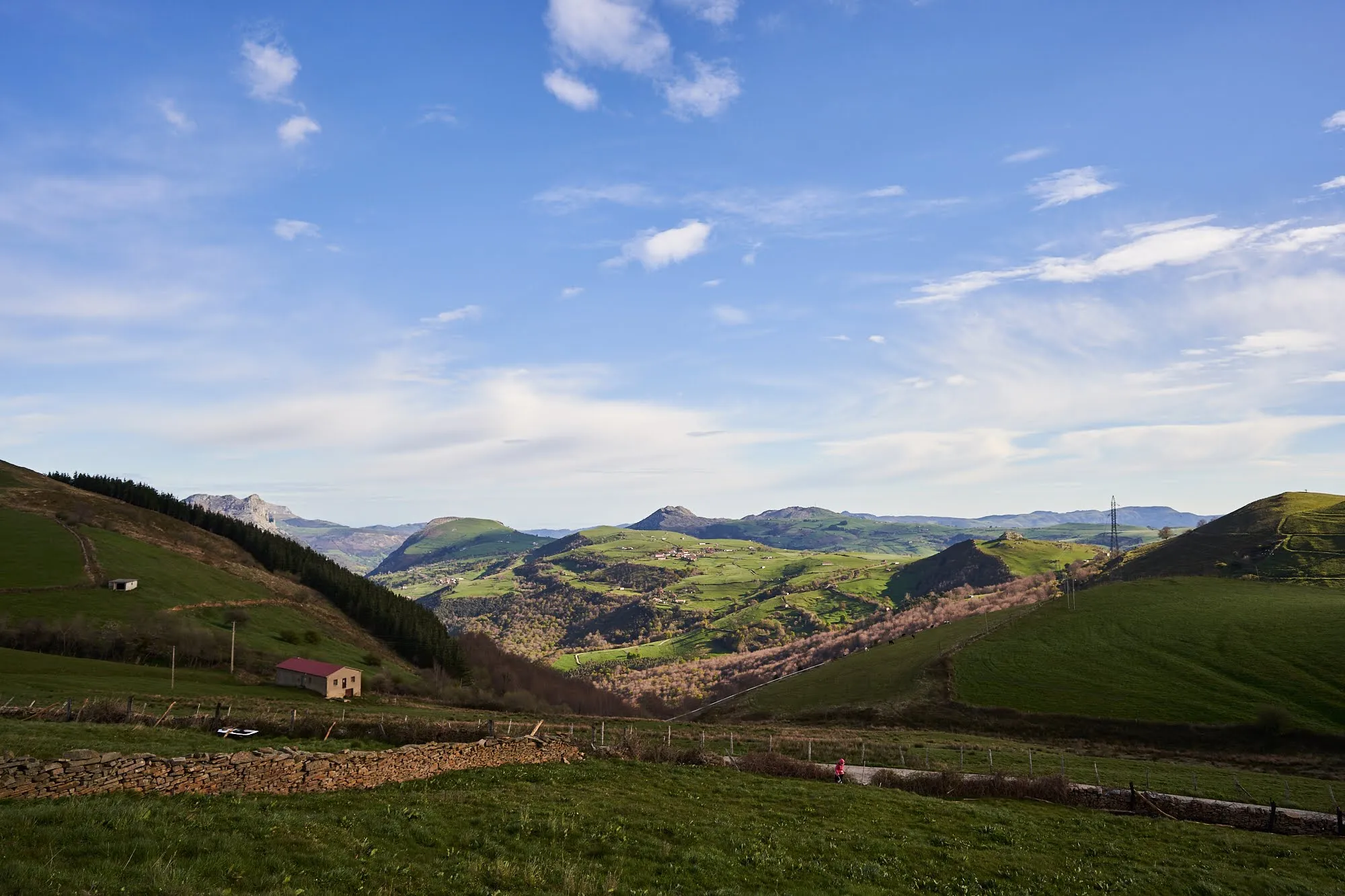
But the real trip began when we crossed the Spanish border, left the highway, and climbed into the mountains. We didn’t know what to expect — not the weather, not the landscape — so we packed for everything from summer heat to snow. And for those who know me: yes, I was fully prepared. After about 500 kilometers and a long stretch through the Basque Country, we finally left the dull highway behind and started taking the kind of roads we love — the ones that twist and climb, where you can’t predict what’s around the next bend.
La cabaña de Maria
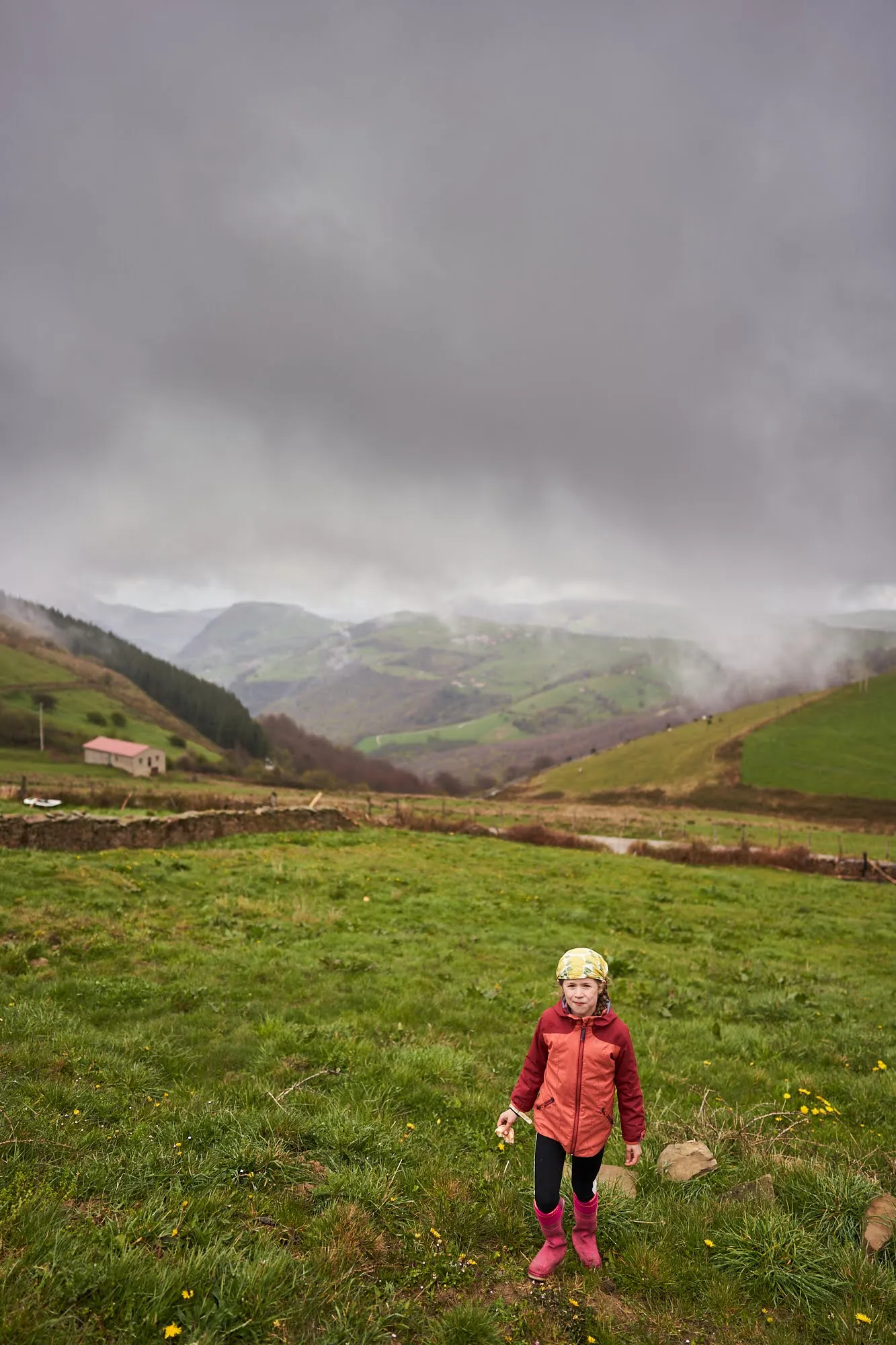
As the road climbed higher into Cantabria, the landscape changed every few minutes. Broad roads turned into narrow ribbons, threading through green valleys and misty peaks. Even under grey skies, the colors burst — sharp greens, deep browns, blue-grey stone.
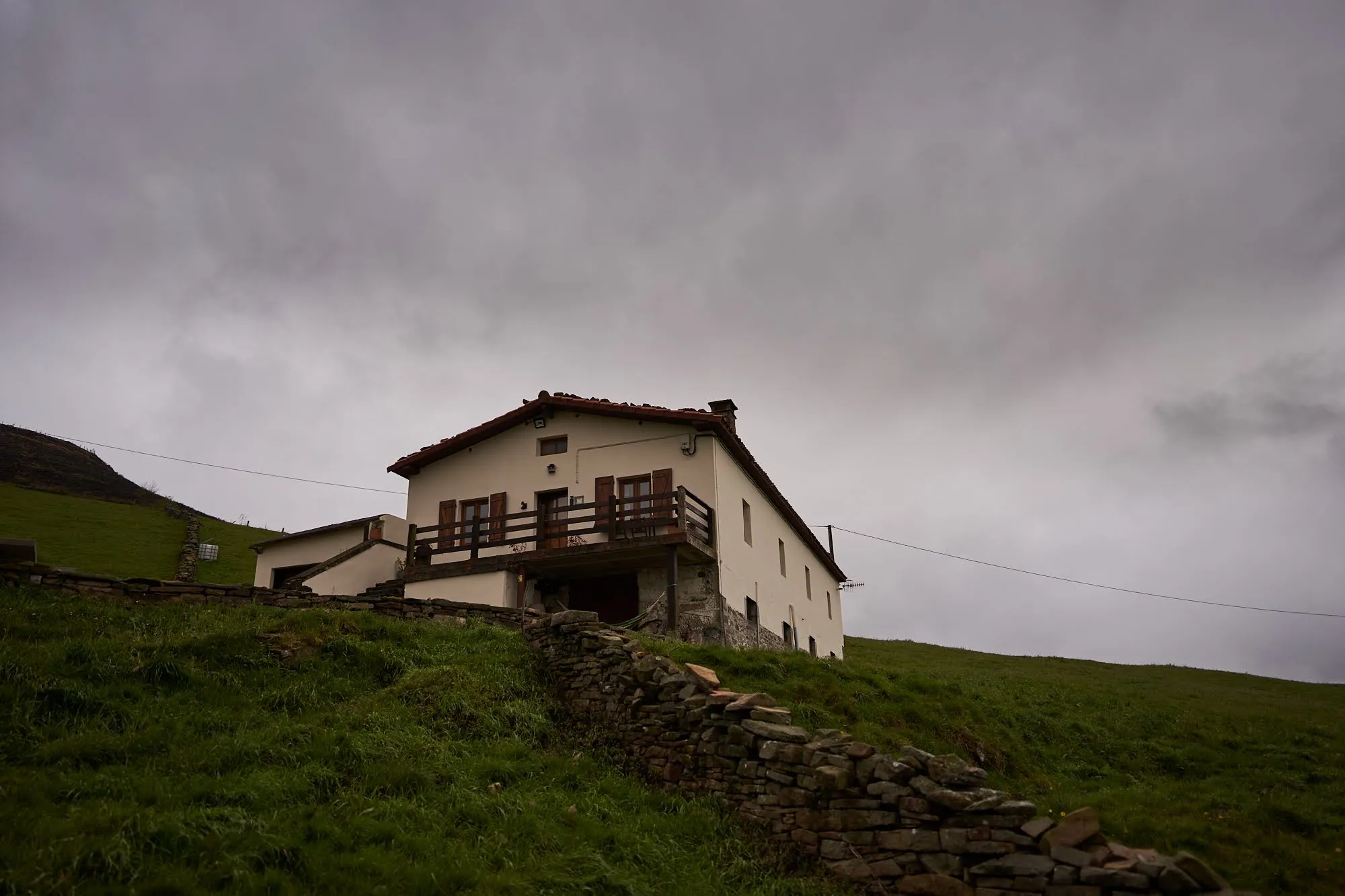
After a few messages with our host Maria, we reached her remote cabin at about 1,000 meters altitude.
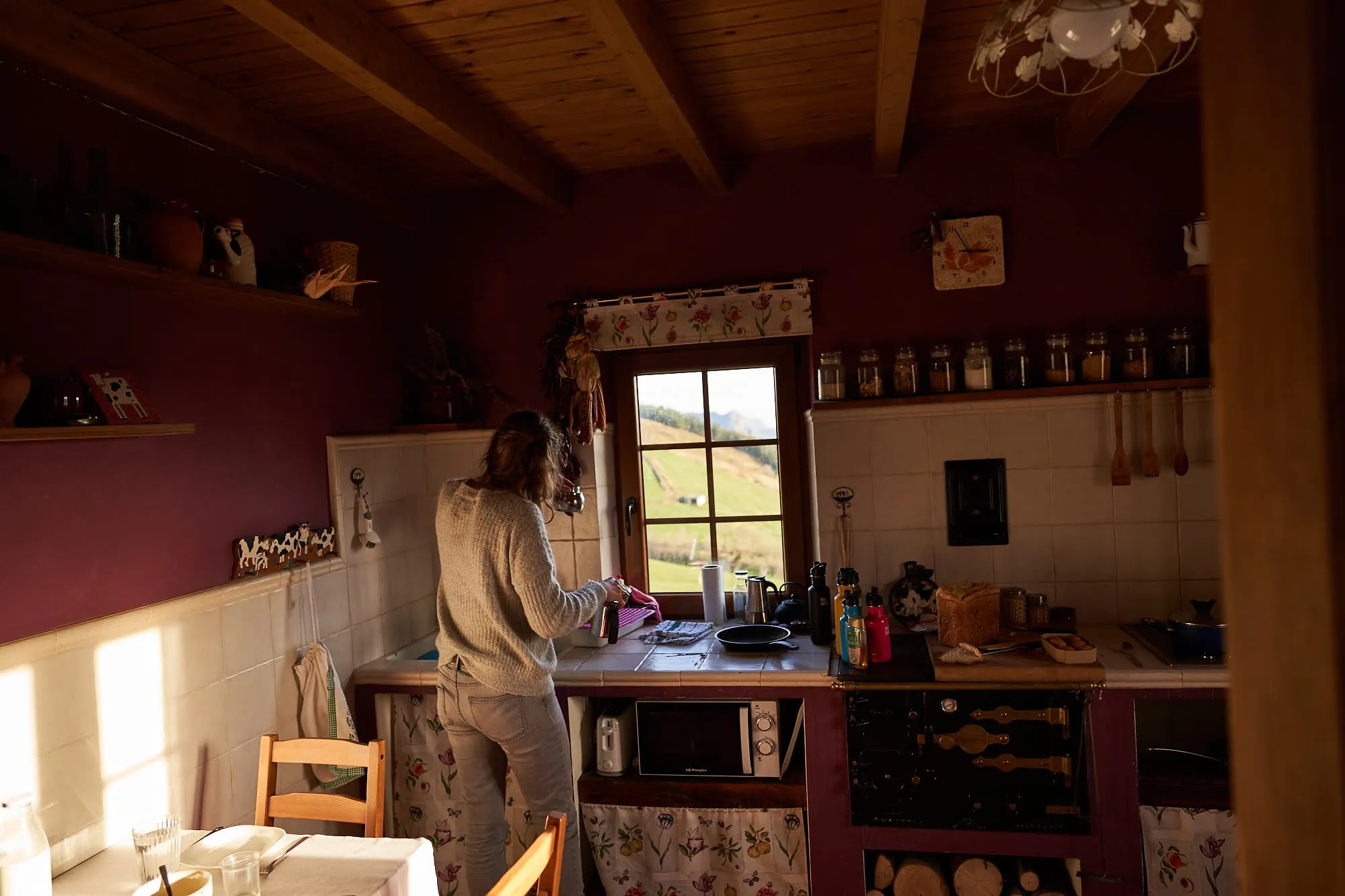
A small stone house, alone on a mountain ridge, surrounded by wind and silence.
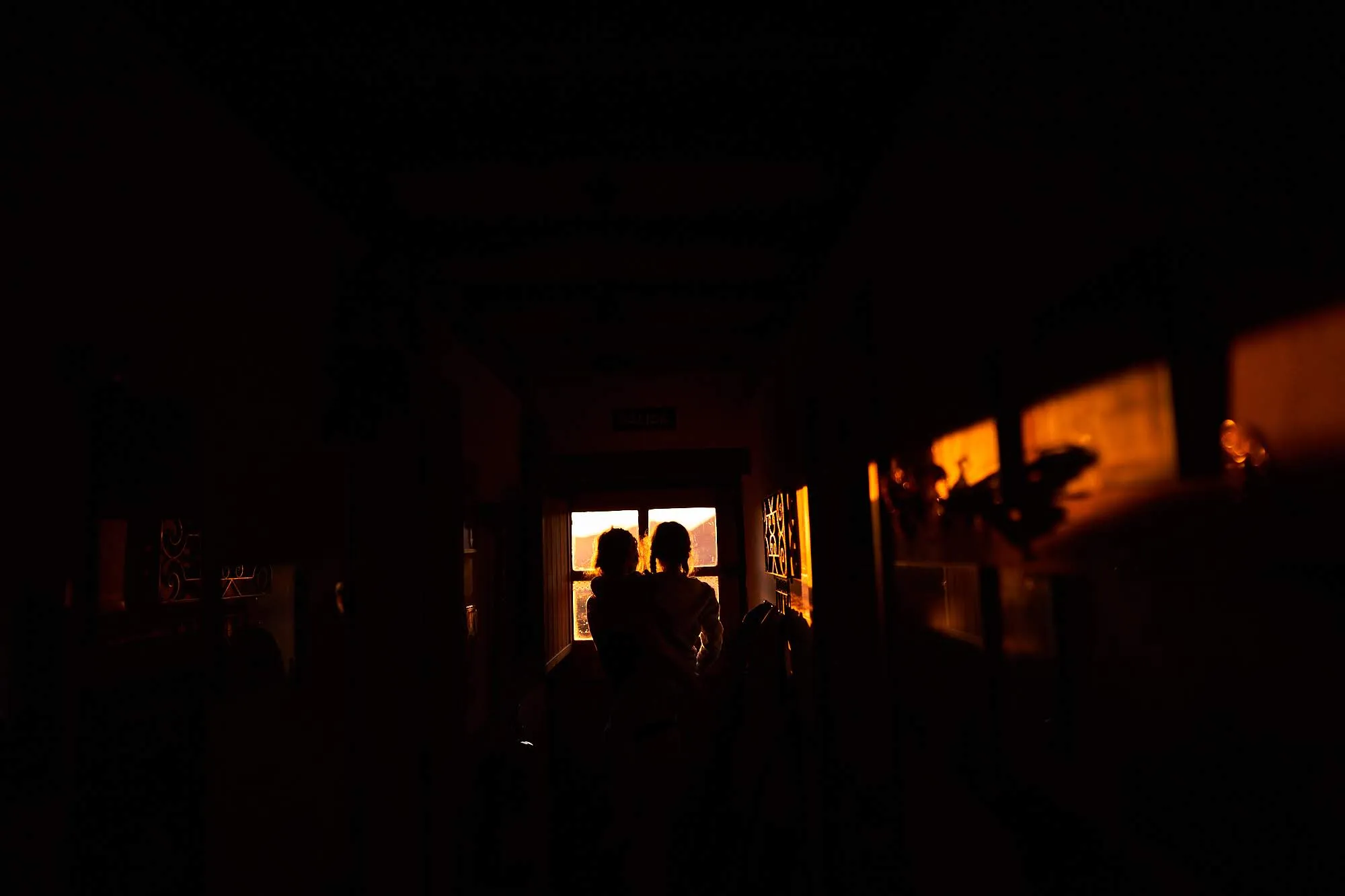
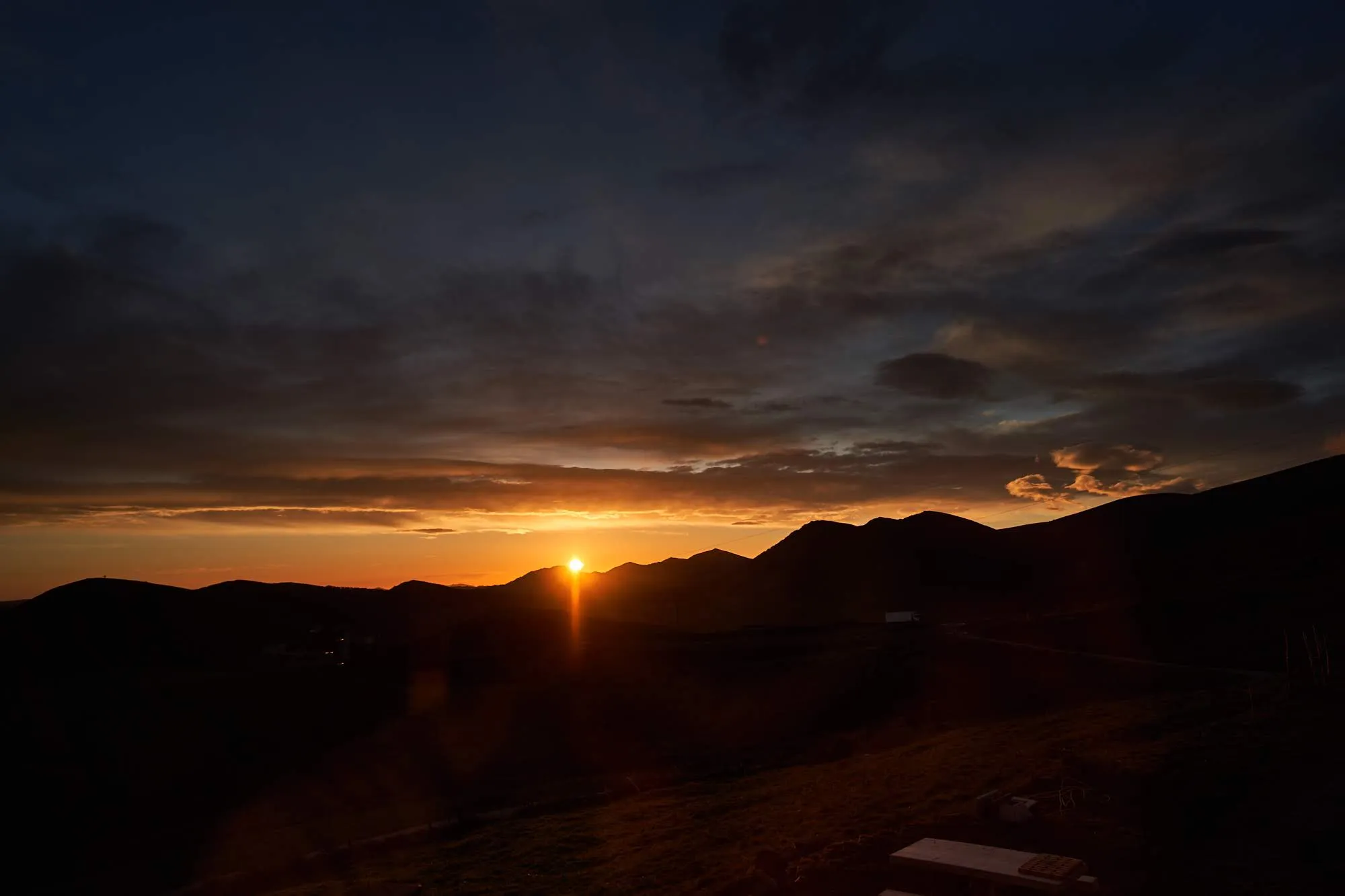
The kids ran out, laughing in the open air. We just stood there, taking in the view — slopes dropping straight into the valley, clouds brushing the hilltops, a single farmhouse in the distance. It was perfect. That night we lit a small fire and settled in. The next morning, Liv woke us before sunrise. “You have to see this!” she whispered. Outside, golden light spilled over the mountains — and then the wind hit us. It must have been blowing a hundred kilometers an hour. The cabin didn’t budge. Inside, all was calm. Outside, chaos. The kids swung on the rope swing, laughing as the wind pushed them higher than ever. By ten o’clock, the storm calmed and we packed the car. Before leaving, we had promised Maria we’d visit her farm and see the newborn calves.
Maria and the farm
We didn’t know her address, so we simply asked in every village: “Maria?” Every time we heard the same thing — “Ah, Maria!” — followed by rapid Spanish and pointing hands. Eventually, a voice shouted from a nearby field. There she was, jumping off her tractor, laughing, waving us closer. She apologized, half laughing, half embarrassed, for smelling bad. She had been fertilizing the fields when the spreader broke and got covered in cow dung. She shrugged it off, smiling, and handed us homemade chorizo, ham, cheese, and fresh yogurt from her farm. We didn’t understand half her words, but somehow the conversation flowed. Encounters like this — unexpected, human, warm — always stay with us the longest.
Cabuérniga: Slow life
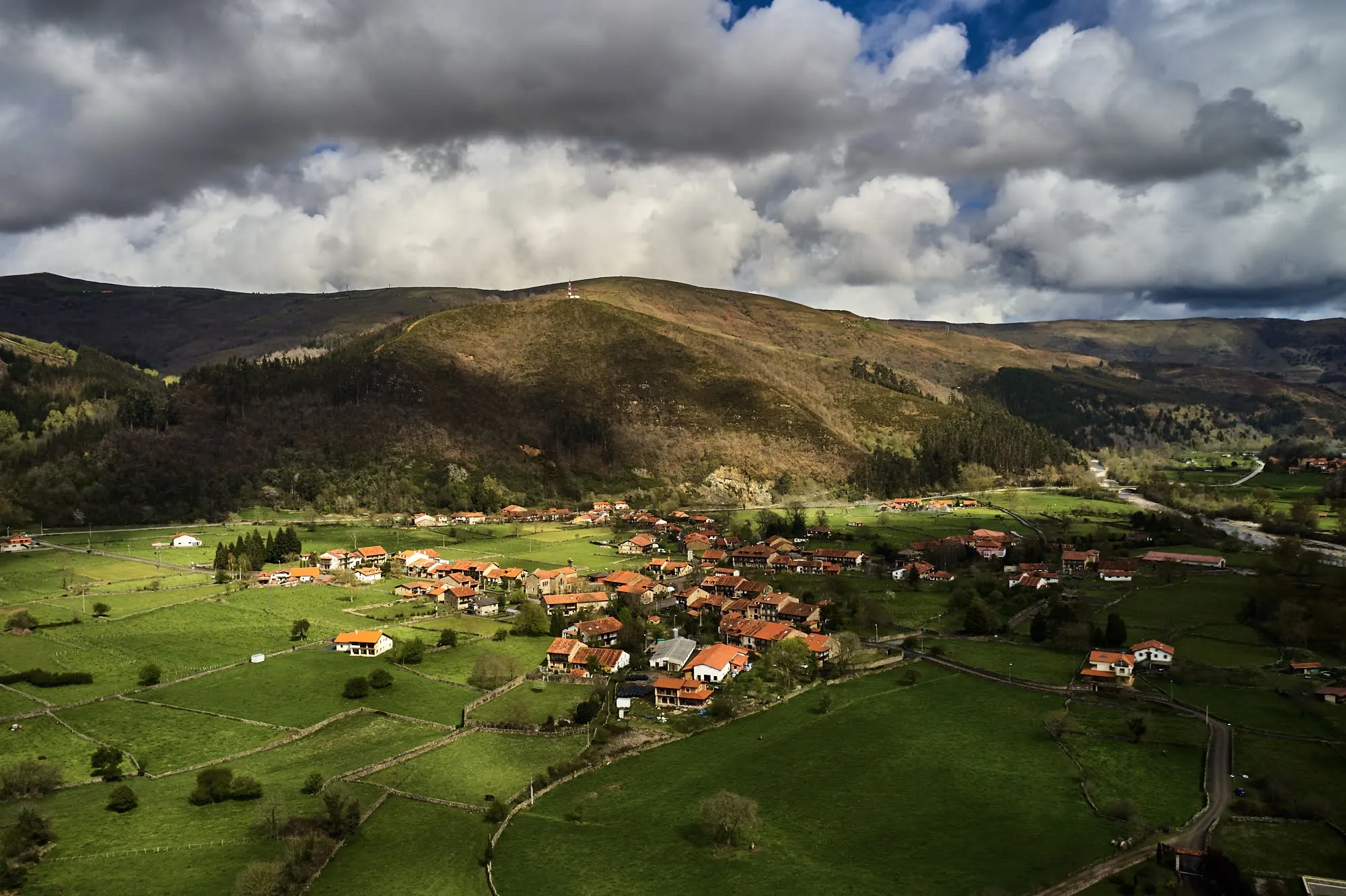
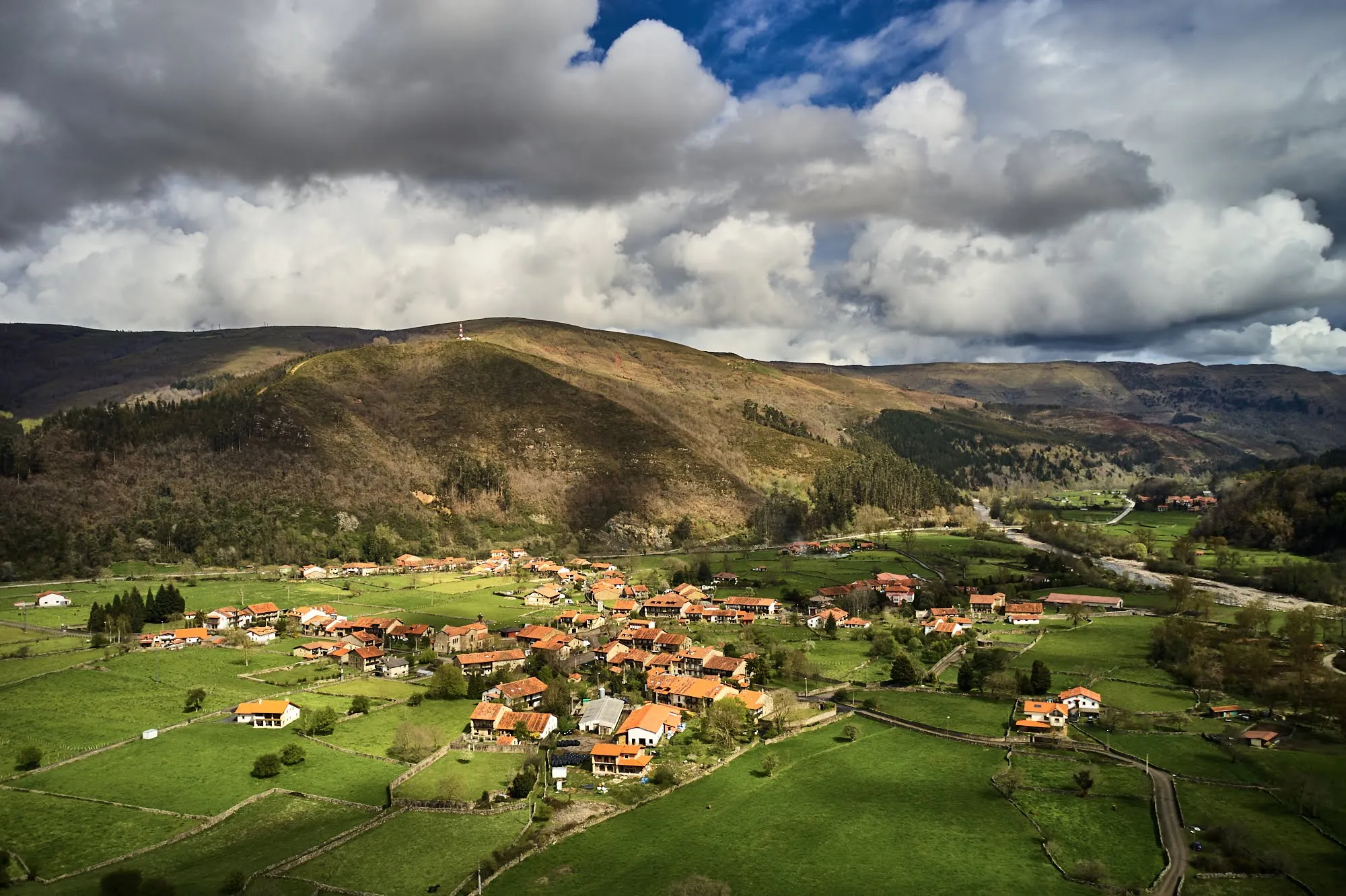
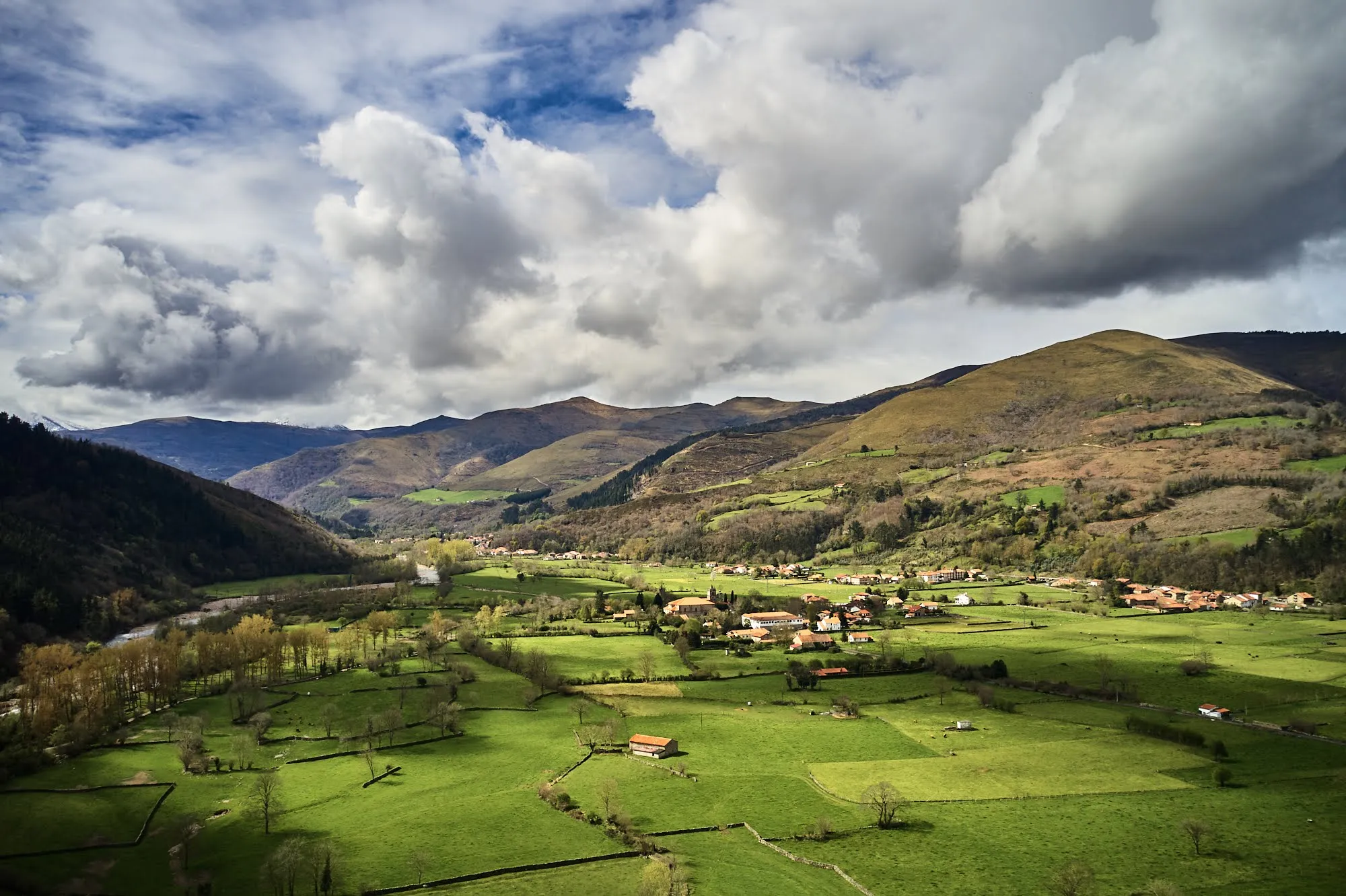
From there we drove to Cabuérniga, a small valley village surrounded by mountains. The descent into the valley was breathtaking — like Switzerland, but wilder, rougher, more real.
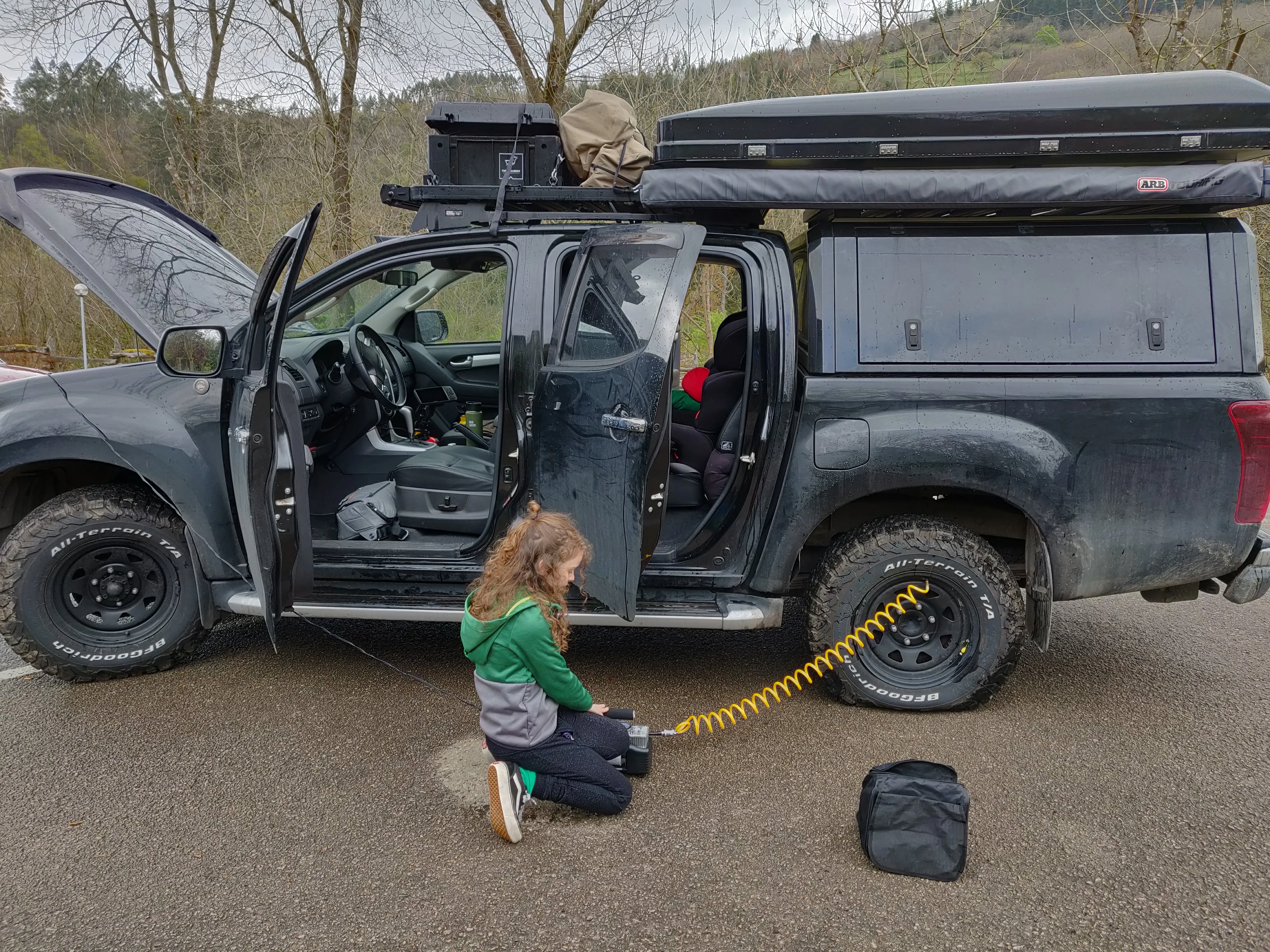
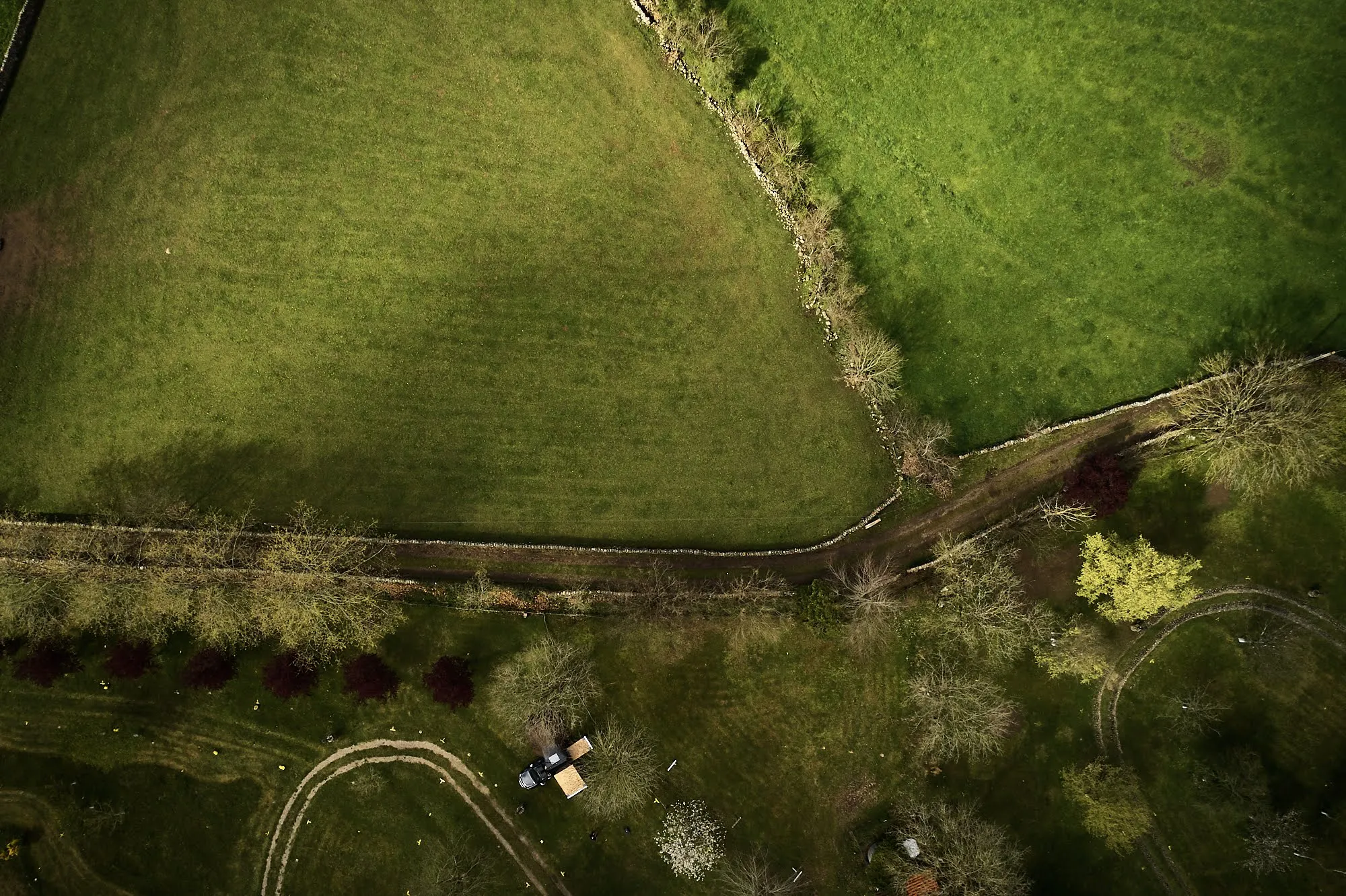
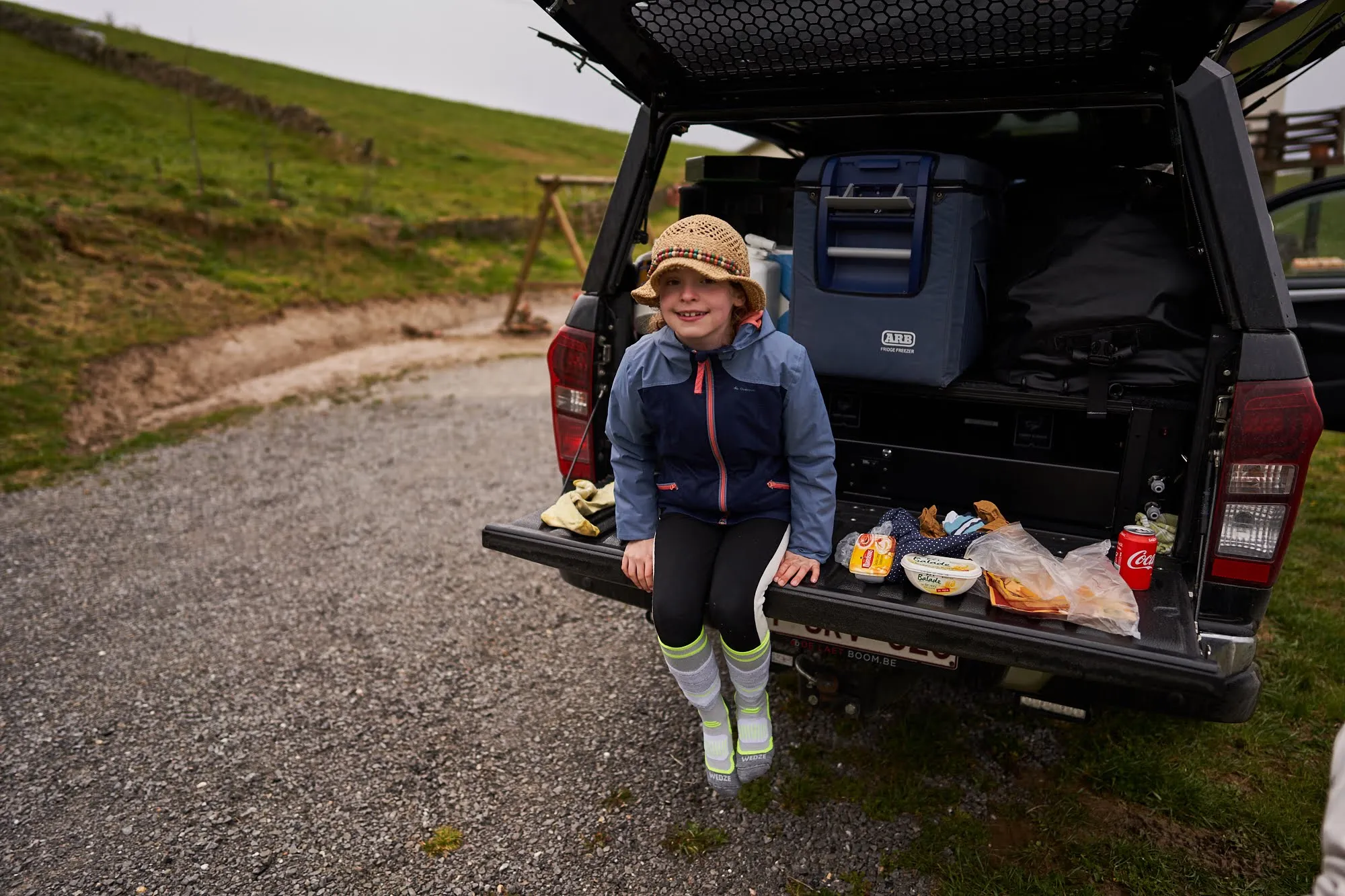
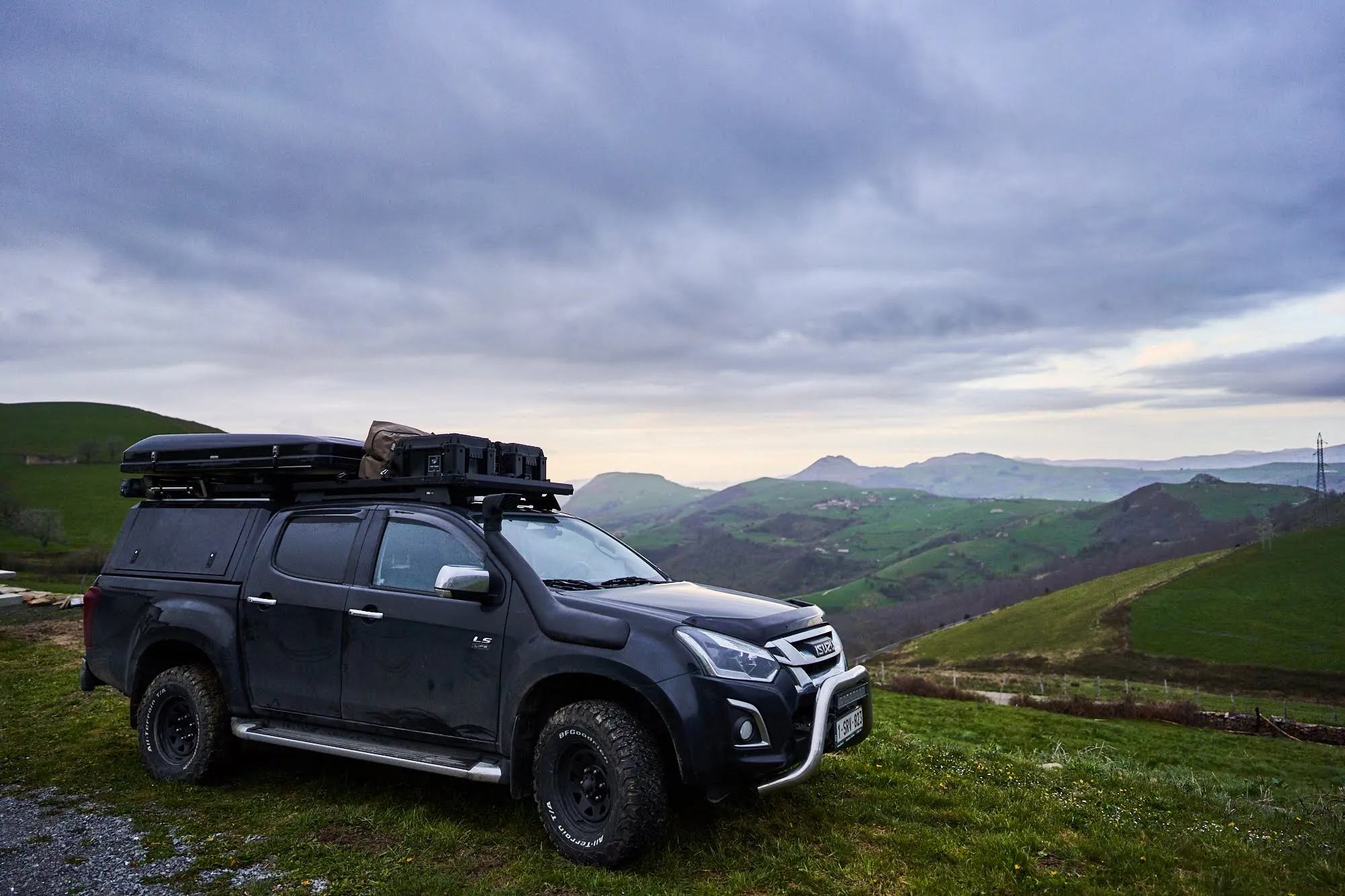
We set up our rooftop tent on an empty campsite. During the day it was mild, but at night the temperature dropped close to freezing. We didn’t mind. The quiet compensated for everything. Days were slow here. The nearby village was silent — only dogs, cows, and the faint smell of woodsmoke. The only sign of life: the cantina, where locals gathered for beer and fried food. Fry it, and it’s dinner. I loved the view but felt a bit caged after two days. The need to move returned. When I noticed one of our rear tires going flat, I took it as a sign. I packed everything up in the rain, used the compressor to refill it, and soon found the culprit — a small metal shard. Fixed in minutes. Time to drive again.
Rio de Luna: Into the wild
The next stretch, from Cabuérniga to Rio de Luna, might have been the most beautiful drive of my life — second only to Sognefjellet in Norway. Garmin’s “Curvy Roads” feature led us through a 250-kilometer maze of mountain passes. The route climbed from meadows to rocky peaks, under dark, dramatic clouds. At 1,260 meters, we reached the first summit — a vast plateau where wild horses roamed freely. Foals galloped beside their mothers; the kids squealed with joy. We saw eagles, too — one circling high above, another gliding across the road barely two meters above the car. It felt like we’d driven into a documentary.
The further we went, the wilder it became. Villages faded away, roads narrowed, and nature swallowed everything. In Belgium, we tame the land with concrete; here, the road exists only by nature’s permission. By late afternoon, we reached 1,800 meters. A short tunnel cut through the ridge, and on the other side: a green mountain plain, 1,100 meters above sea level. This would be our home for the night.
The campsite was empty again — just us and the cold air. The owner, an old man with suspicious eyes, barely spoke. “Si,” he said, pointing toward a meadow. That was it. But over time, even he softened. By the time we left, he smiled as the girls hugged him goodbye. We cooked on the foldable BBQ, built a small fire, and sat close together under the stars. No noise. No traffic. Just breath and warmth. At night, frost formed inside the tent, and we slept in thermal gear, huddled like puppies. Happiness comes easily when life is simple.
Cepo Verde: Crossing into Portugal
The next morning, the sun rose, melted the frost, and dried the tent. Time to move on.
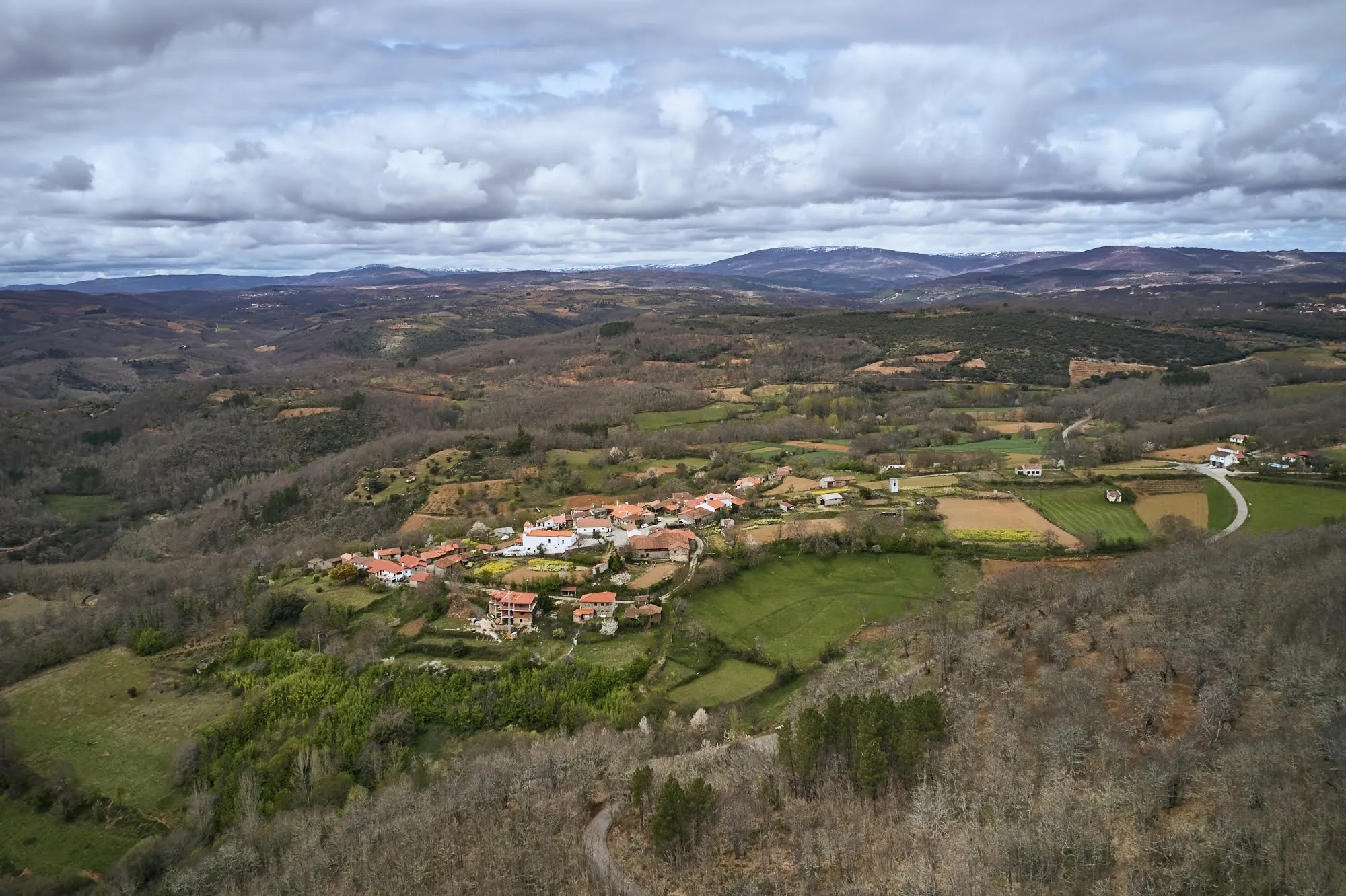
We aimed for Cepo Verde, a campsite inside the Montesinho Natural Park, just across the Portuguese border.
The final stretch through Spain was long and flat — vineyards, olive groves, wide skies. Beautiful, but we missed the mountains. Crossing into Portugal felt like exhaling.
We stopped for supplies in Bragança, which was a shock after days of wilderness. Loud motorbikes, thumping music, traffic. Urban chaos. We grabbed the last pastéis de nata from a bakery and fled into the hills. Cepo Verde was busier than we expected — caravans, campers, older travelers. But the plots were big, and everyone kept to themselves.
At night, we walked past the rows of campers and heard laughter, soft music, the clinking of glasses.
That’s when I realized: these “old people” weren’t old at all. They were light-hearted, curious, free. They’d done what we were doing — but for decades. I spoke to a Swiss couple in their eighties who had spent six months travelling and were now heading back to Morocco’s Atlas Mountains. Another couple, seventy years old, were riding motorbikes to Turkey. Inspiring.
We decided then: we want to grow old like that.
Llanes: The unexpected twist
After two days, the weather turned. We packed up, checked the forecasts, and followed the sun north, towards Llanes in Asturias. A coastal break for the kids — and, secretly, for Liene. I've never been a fan of beaches, especially the overcrowded southern kind where people stack themselves like sardines. But off-season, I could handle it. The descent from Portugal through the Asturian mountains was gorgeous. Even under rain.
I set up camp in a downpour, drenched to the bone, shoes squelching. We found refuge in the site’s restaurant, watching waves crash under storm light. Dinner was fried, expensive, and forgettable. But at least it was warm.
Morning changed everything. The sun rose, the tent glowed, the sea sparkled below. The kids were already in their swimsuits, squealing. Beach day it was.
The campsite clung to the hillside, with a perfect sea view. It was busy for my taste, but quiet by local standards — twenty tents scattered across 500 spots. Down at the beach, only a few locals and one girl with a dog.
Our daughters immediately started playing with it, laughing, running. Soon we were talking with the owner — a student from Madrid, home for spring break, surfer, lifeguard.
And that’s how it happened.
We’d been talking about getting a dog for two years. This was the one.
That evening, after hours of searching online and a dozen phone calls, Liene found a breeder. One puppy left. Papers ready in two days.
Two days! In our world, that’s an eternity. But there was no way we were leaving without that pup.
A new family member
We rented a small house in Àvin, a mountain village near the breeder. Rain and heavy winds rolled in — perfect timing to stay indoors and wait.
Two nervous days followed. The kids were bursting with excitement, and we were, too. At one point, a controlled forest fire across the valley lit the sky orange, adding a surreal backdrop to our anticipation.
Our neighbors — the breeder’s relatives — invited us for coffee. Soon the whole family joined in, offering pastries, questions, stories. True Spanish warmth.
And then came the message: the puppy is ready.
Picking him up, armed with Google Translate, was chaos.
But there he was — small, soft, curious.
The missing piece.
We spent one more night nearby, letting him settle in before the long drive home.
By morning, the car felt different — the hum of the road mixed with the soft breathing of a new family member.
We made one last stop near Poitiers, at a lovely home run by a retired Parisian police officer and his Mauritian wife. They were kind, but our minds were already set on home. Easter brunch awaited — and a new life with a dog.
Reflections: A hidden spain
These last days were a blur of joy, fatigue, and disbelief.
We left for Portugal. We came back with a puppy.
Northern Spain surprised me deeply. I had always pictured Spain as one endless coastline of cheap resorts and sunburnt tourists. And yes, that exists. But beyond it — in the Cantabrian and Asturian mountains — there’s something entirely different: raw beauty, proud landscapes, and people with open hearts. Off-season, it’s magic. The air feels cleaner, the silences longer.We slept on mountain ridges, cooked over small fires, watched eagles and storks cross the valleys. We met farmers, travelers, strangers who became friends.
And most of all, we spent two weeks pressed close together — four people in a rooftop tent, sharing breath and warmth and laughter. The test was real, and we passed it with flying colors.
We came home tired but renewed. Inspired.
Already dreaming of the next road, the next ridge, the next early morning coffee somewhere far from anywhere.
And yes — we’ll go back.
To Maria and her cows.
To the old man at Rio Luna.
To the green mountains of Cantabria and Asturias.
Estamos volviendo.
We’re coming back.
Full travel journal can be read here: "Spring in Northern Spain"