
From the scorching heat of the ancient italian olive groves to the cooling swiss alpine meadows
From the scorching heat of the ancient italian olive groves to the cooling swiss alpine meadows

Whether we liked it or not, it was time for something different.
This year, traveling wasn’t about roaming freely across Europe like before. The pandemic years had left their mark — first by locking us down, then by teaching us to adapt. Work had picked up again for both of us, and although that meant less time, it also meant new possibilities. Flexibility was our keyword.
So instead of a month of wandering, we decided on two fixed destinations: the warm heart of Italy and the cool peaks of Switzerland. Two opposites. Two extremes. From ancient olive groves and burning sun to alpine meadows and fire-lit nights.
Liene took charge of the planning this time — a role I happily delegated. Professionally, I plan down to the minute; privately, I prefer to go with the wind. I had pictured heading north again — maybe Scandinavia — but she had other ideas: Italy first, then the Alps.
The thought of crowded piazzas and blistering heat made me slightly uneasy, but Liene promised me something else entirely: a hidden valley in the Apennines where time had stopped. I trusted her judgment. I always do.
We left right after school ended — two long driving days ahead. The first stop was Switzerland, at the home of a kind lady in Altdorf who welcomed us for the night. The next morning, we crossed the Gotthard Tunnel, trading the cool air of the Alps for the furnace of the Italian plains.
As we exited the tunnel, the temperature jumped from 16°C to 36°C within minutes. The road south through Milan and Bologna stretched endlessly, slowing under roadworks and heat shimmer. We passed the names that filled my childhood history books — Florence, Siena, Rome — but this time we didn’t stop. We were headed to Sabina, a lesser-known region just north of the capital.
Eighty kilometers before Rome, we left the highway and dove into the Apennines — winding roads that danced between hills and valleys. After an hour of curves and climbs, we reached our first destination: Agriturismo Le Mole sul Farfa.
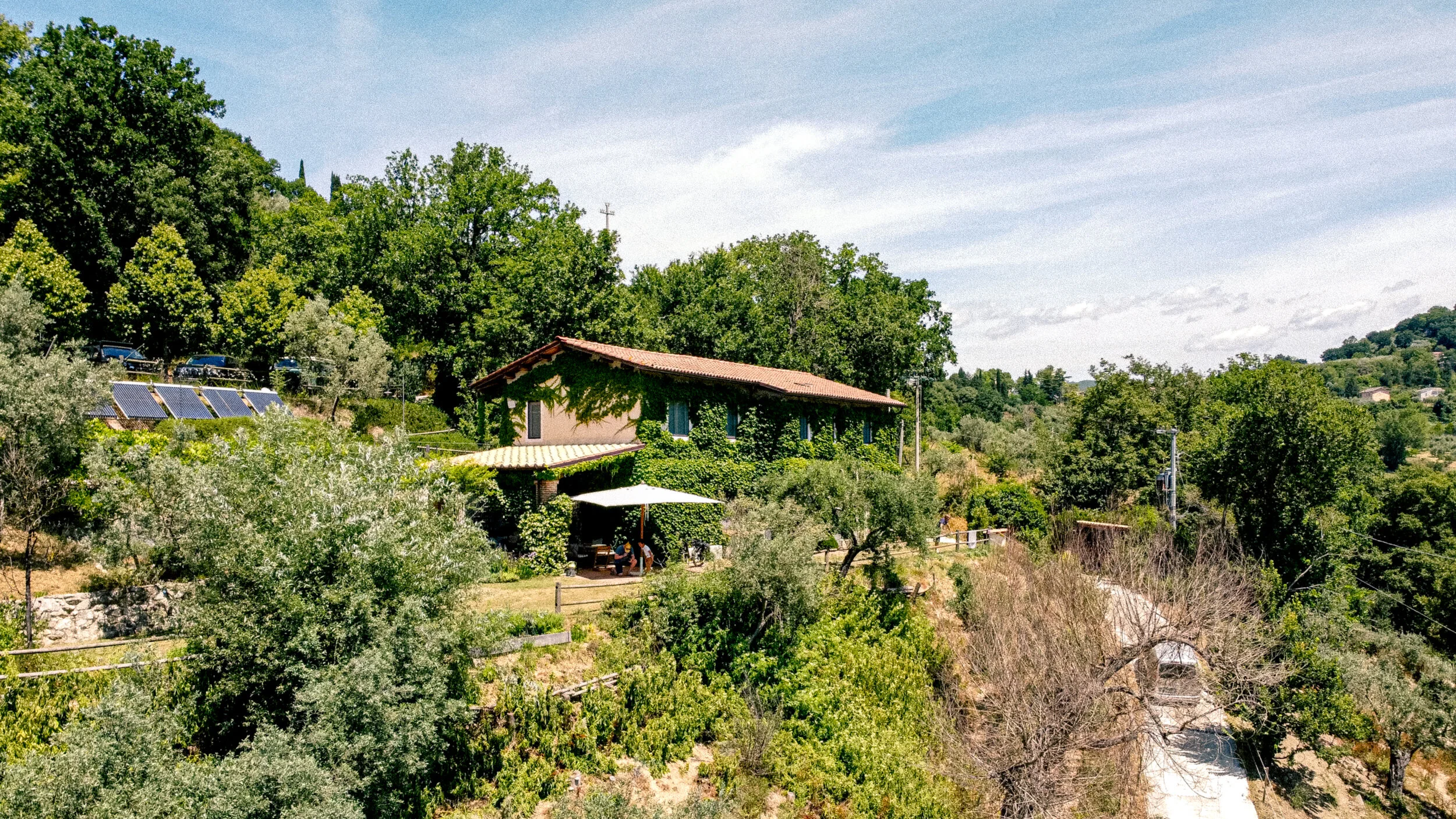
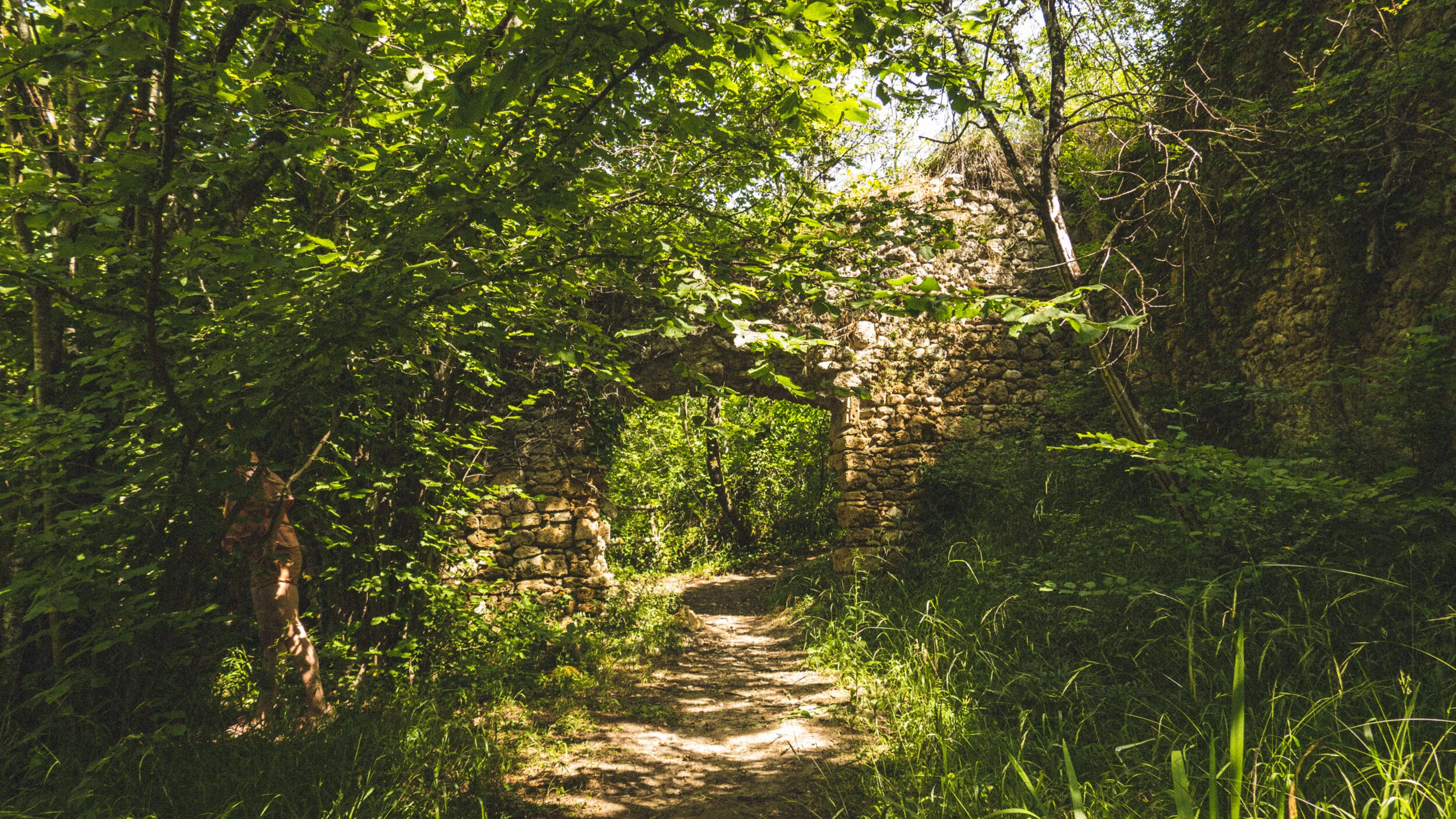
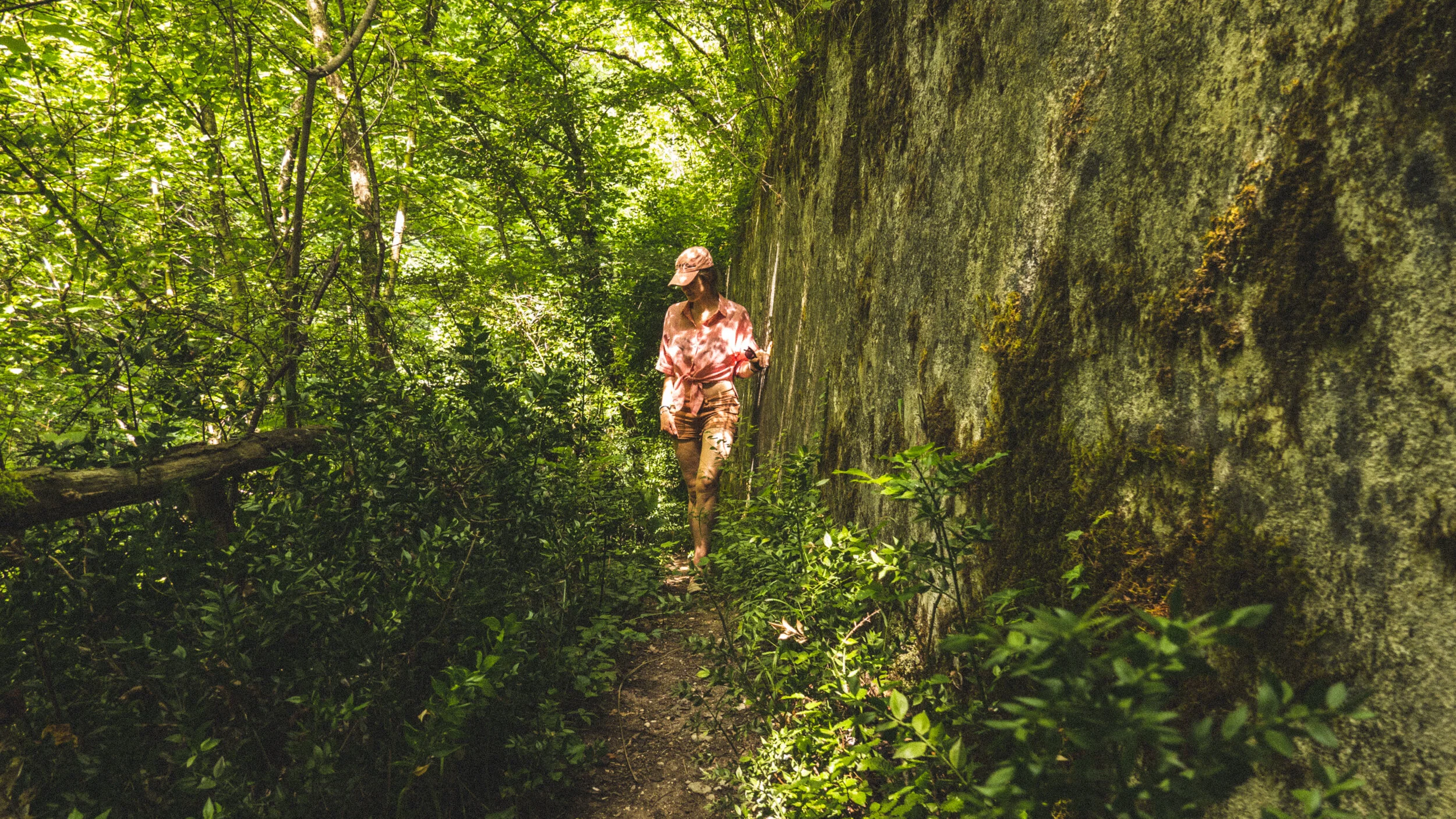
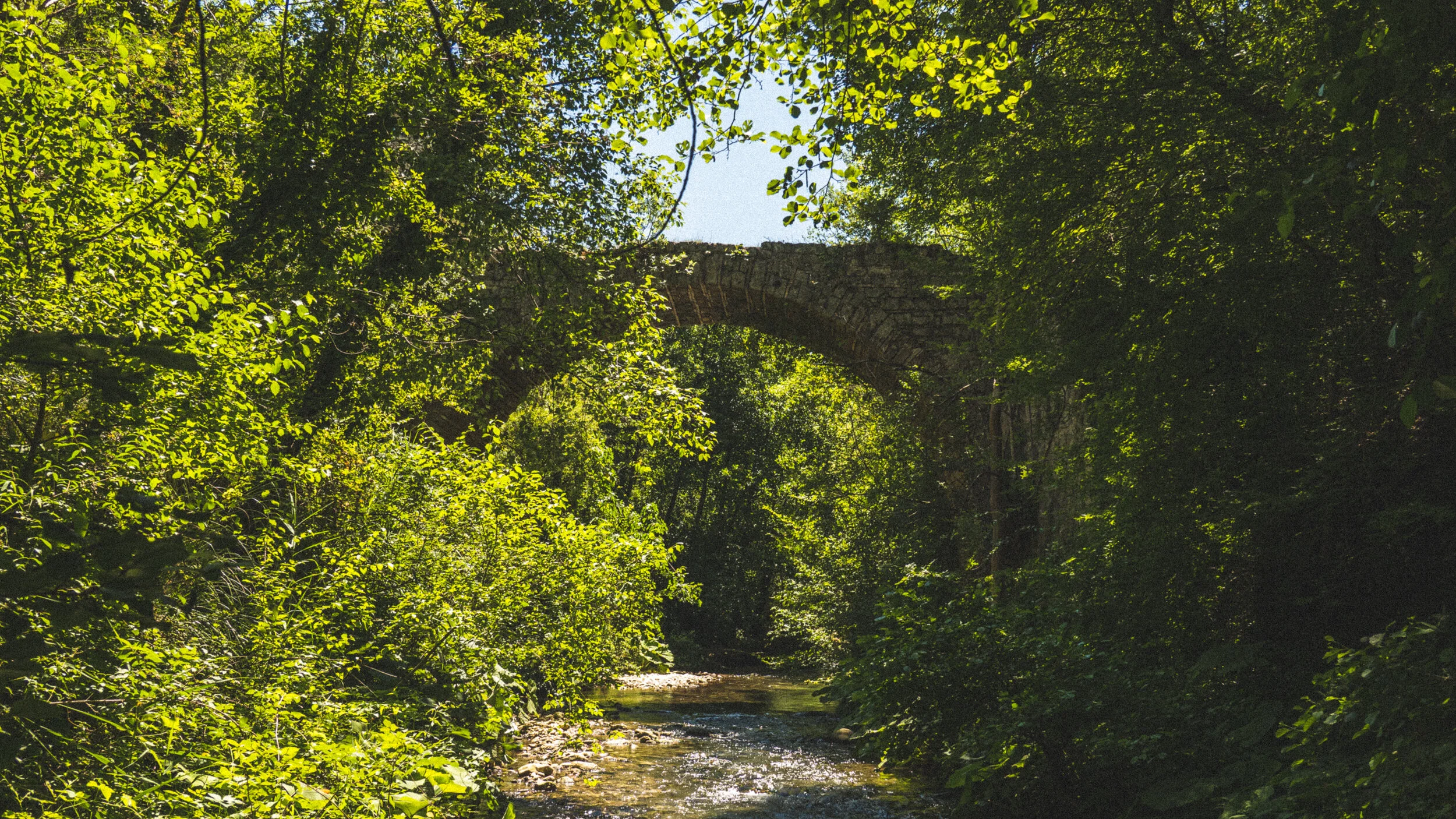
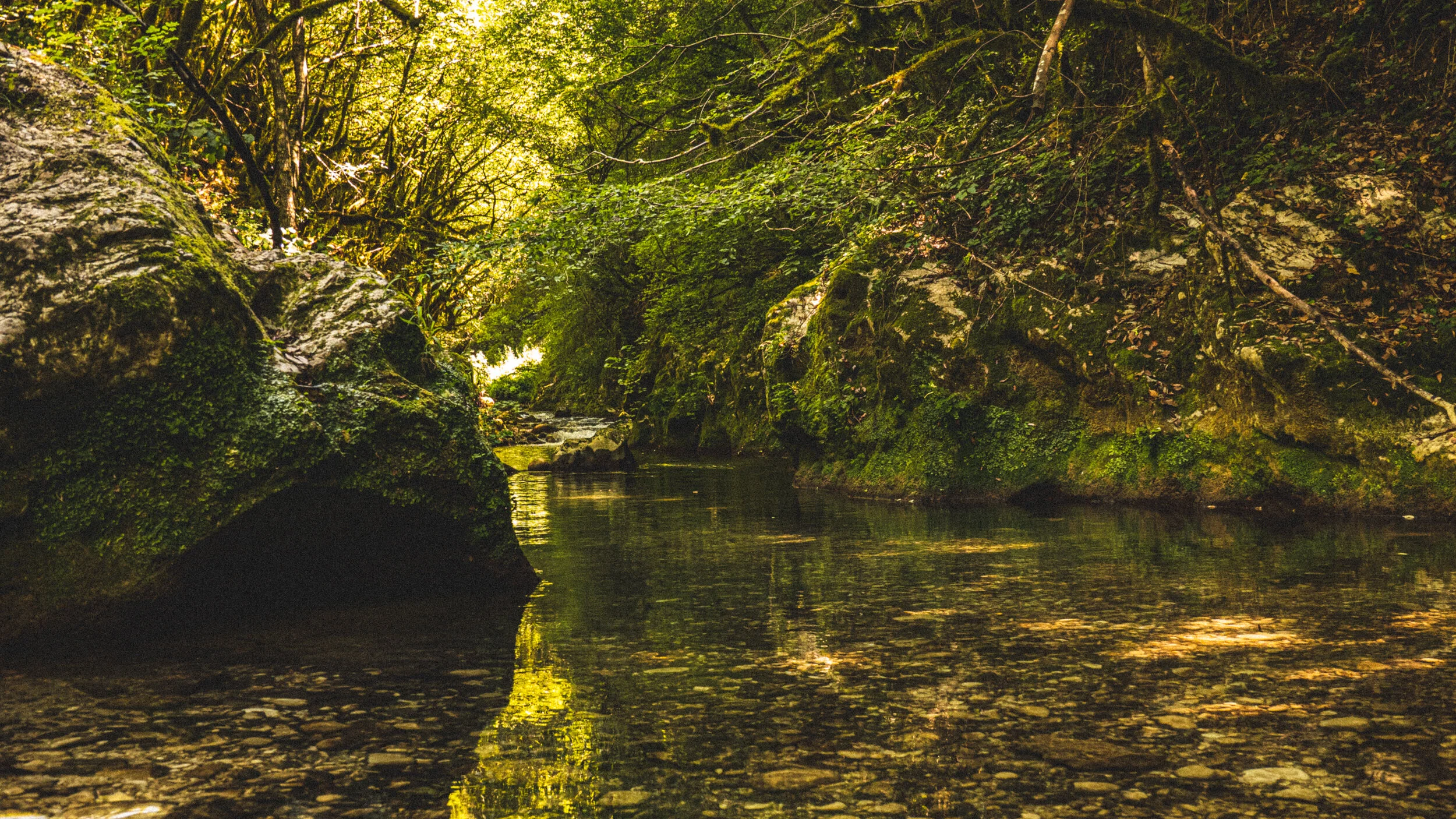
Hidden at the end of a narrow, twisting lane, the agriturismo revealed itself like a mirage. Its name literally means The Mill on the Farfa River, and that’s exactly what it was — an old olive mill reborn as a serene hillside retreat. Below it, the ruins of a medieval bridge crossed the cool, green river. The garden was a wild paradise. Lavender, olive trees, tall grass, and wildflowers framed every path. At the far end, a pool shimmered quietly under the sun, surrounded by mountains and silence. Crickets filled the air, and the gentle sound of donkey bells marked the rhythm of the day.
Those eleven donkeys weren’t there for charm — they were the estate’s natural fire brigade. By grazing the surrounding meadows, they kept the grass low and created a safe zone around the property. An ingenious system born from a painful memory: years ago, a wildfire had come dangerously close to the house. Since then, the donkeys have kept the danger at bay, one bite of grass at a time.
The owners, Stefano and Elisabeth, an Italian–Flemish couple, embodied passion and purpose. Elisabeth cooked vegetarian meals straight from the garden — pure, simple, delicious. Watching her run between the kitchen and the herbs, barefoot and smiling, was a scene out of a slow cinema film. Stefano, in his ever-present hat and long trousers (despite the heat), maintained the gardens with quiet pride. When he spoke, his hands told half the story.
But his true passion lay in his side project: Villa Romana.
On a piece of land they bought sixteen years ago, Stefano and Elisabeth discovered the remains of a vast Roman villa — a one-hectare complex buried beneath olive trees more than a thousand years old. With patience and help from archaeologists and volunteers, they uncovered underground rooms, cisterns, and water systems. Each discovery revealed more of the villa’s forgotten grandeur.
When Stefano gave us a tour, his enthusiasm was contagious. He spoke of aqueducts and fire layers, of Roman engineering and time itself. Standing among ancient olive trees, hand on their gnarled trunks, I felt a strange mix of awe and humility. These trees had witnessed centuries of sun and storm, of life and loss.
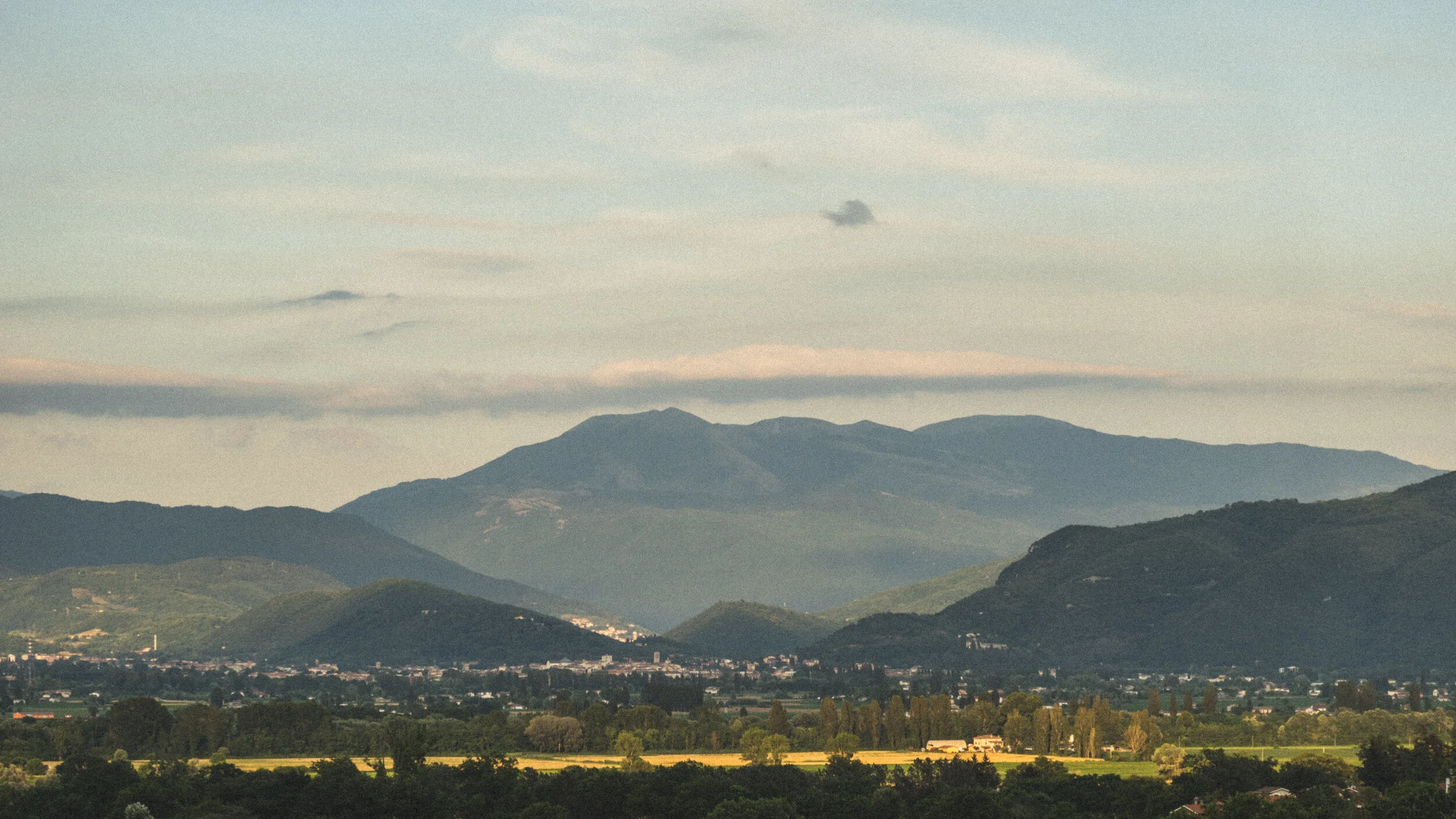
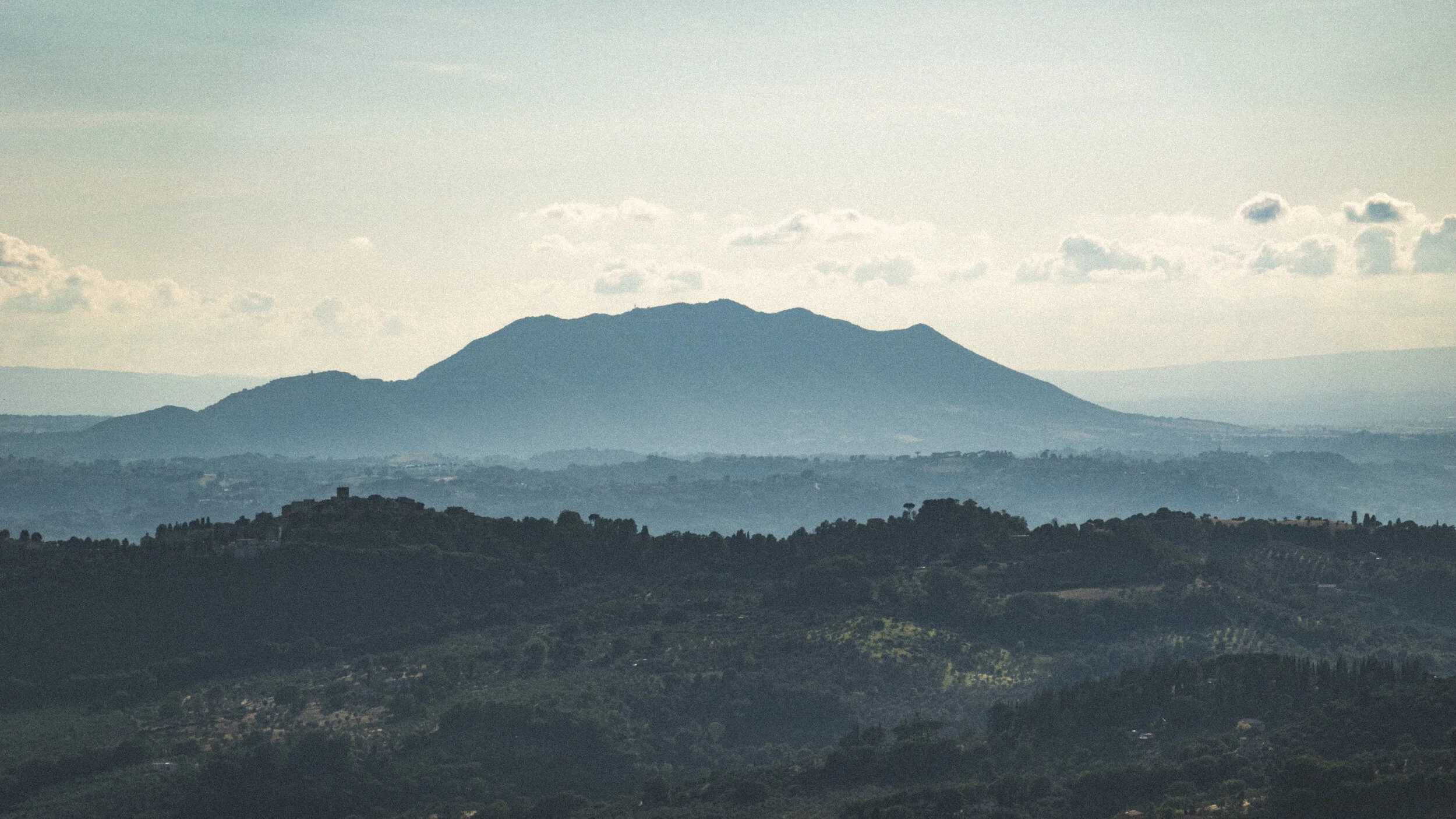
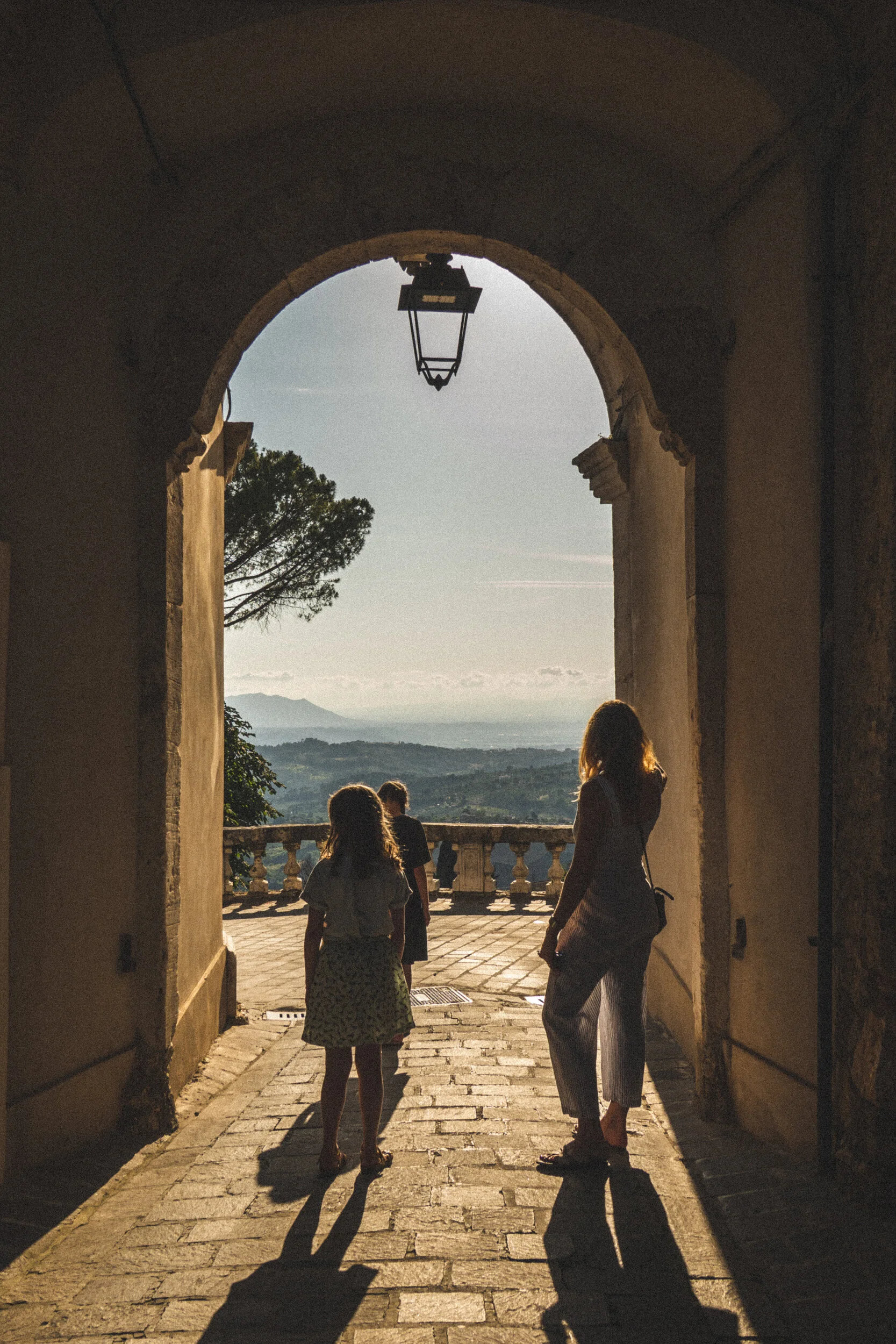
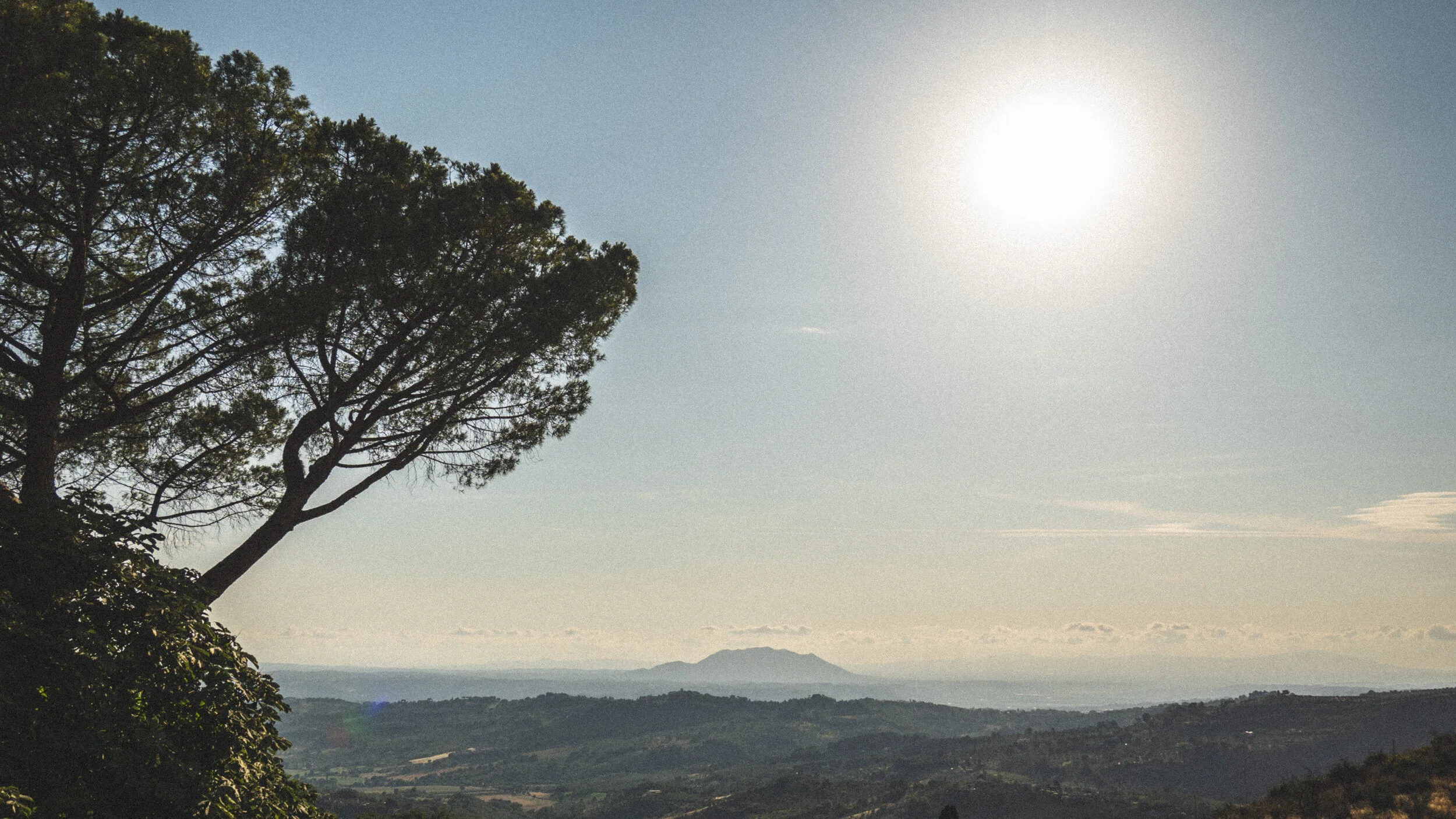
The view from the hill was breathtaking — golden evening light pouring over the Sabina valley, cicadas humming, the scent of warm earth and olive leaves in the air. For a brief moment, time truly stood still.
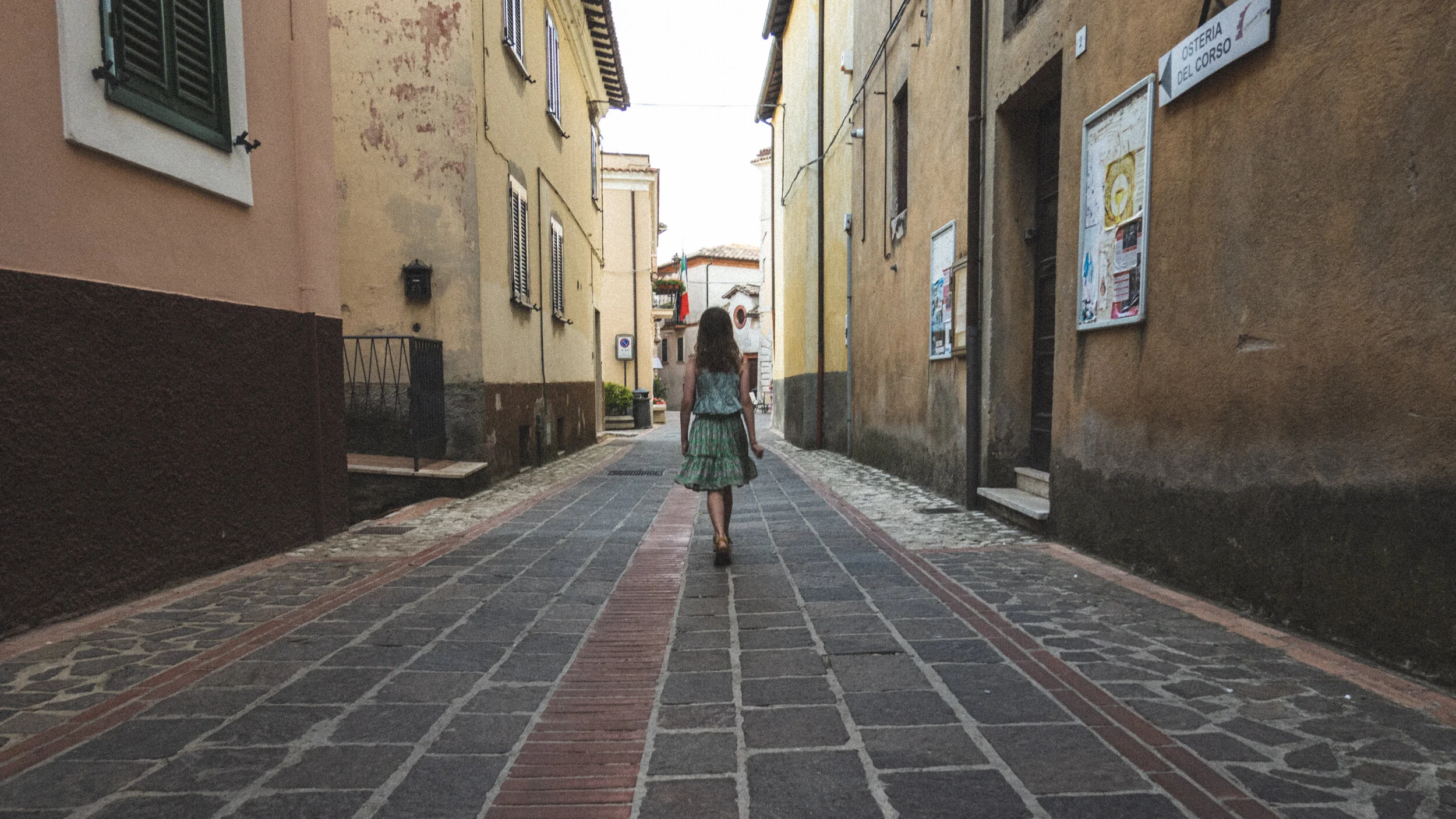
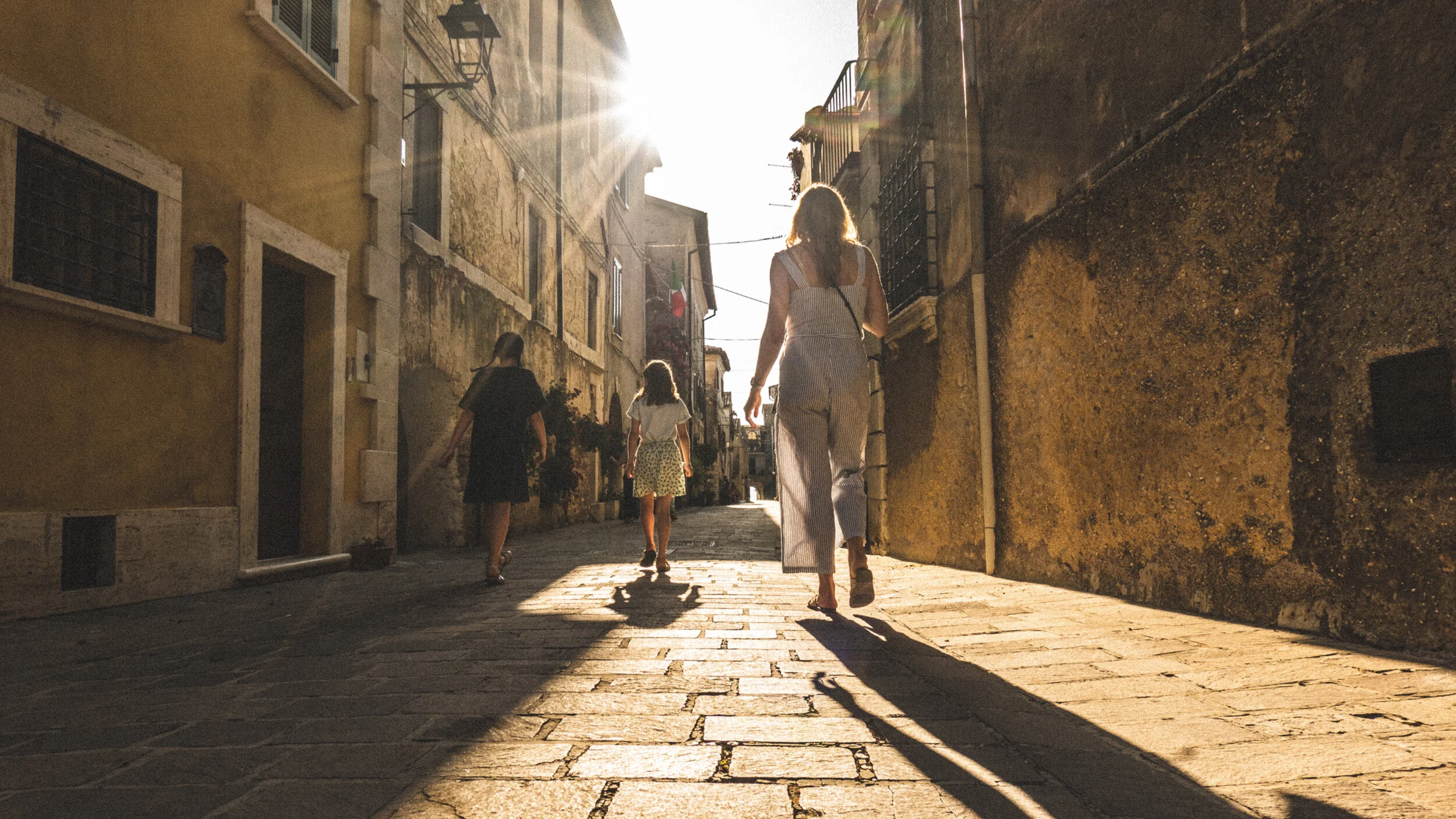
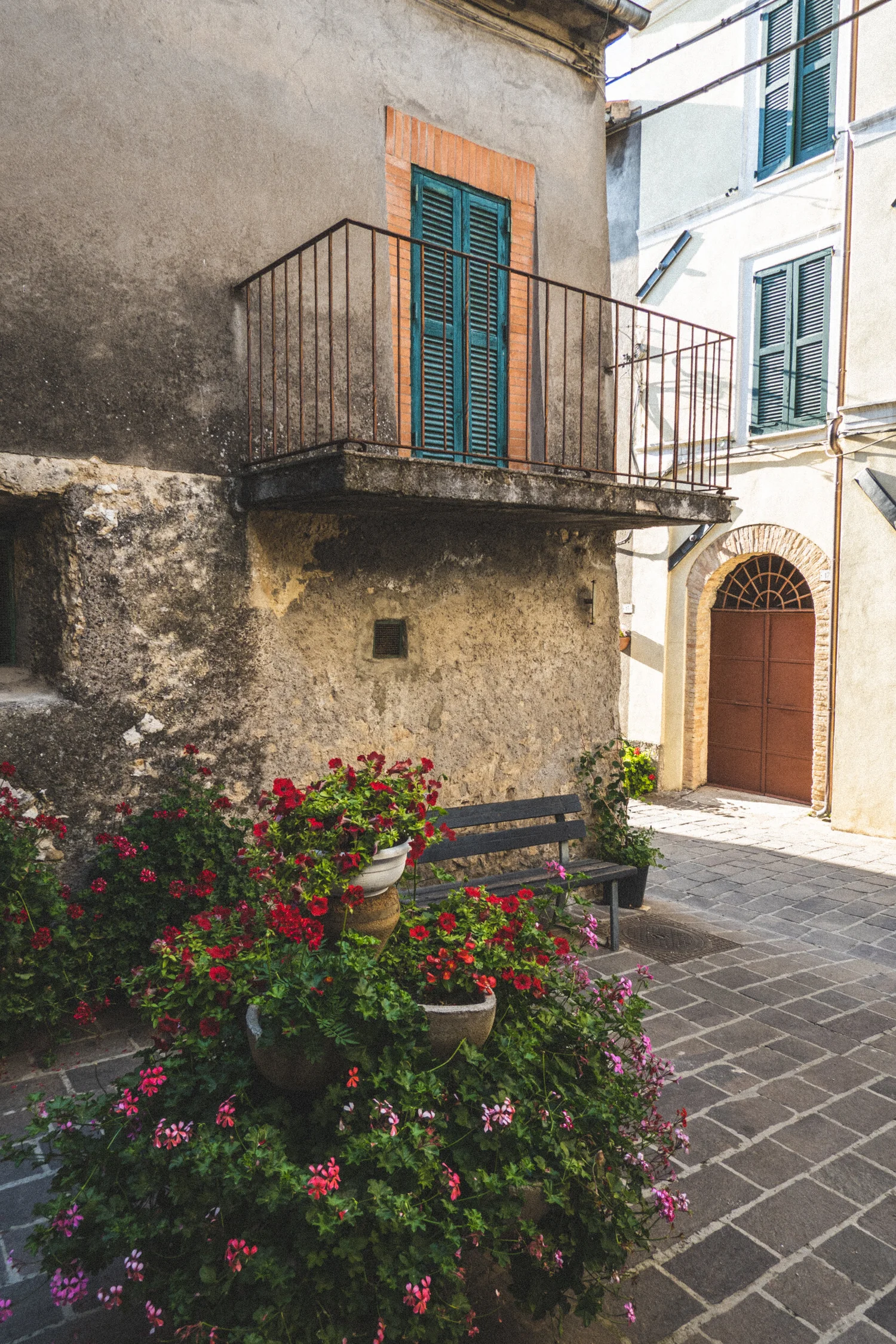
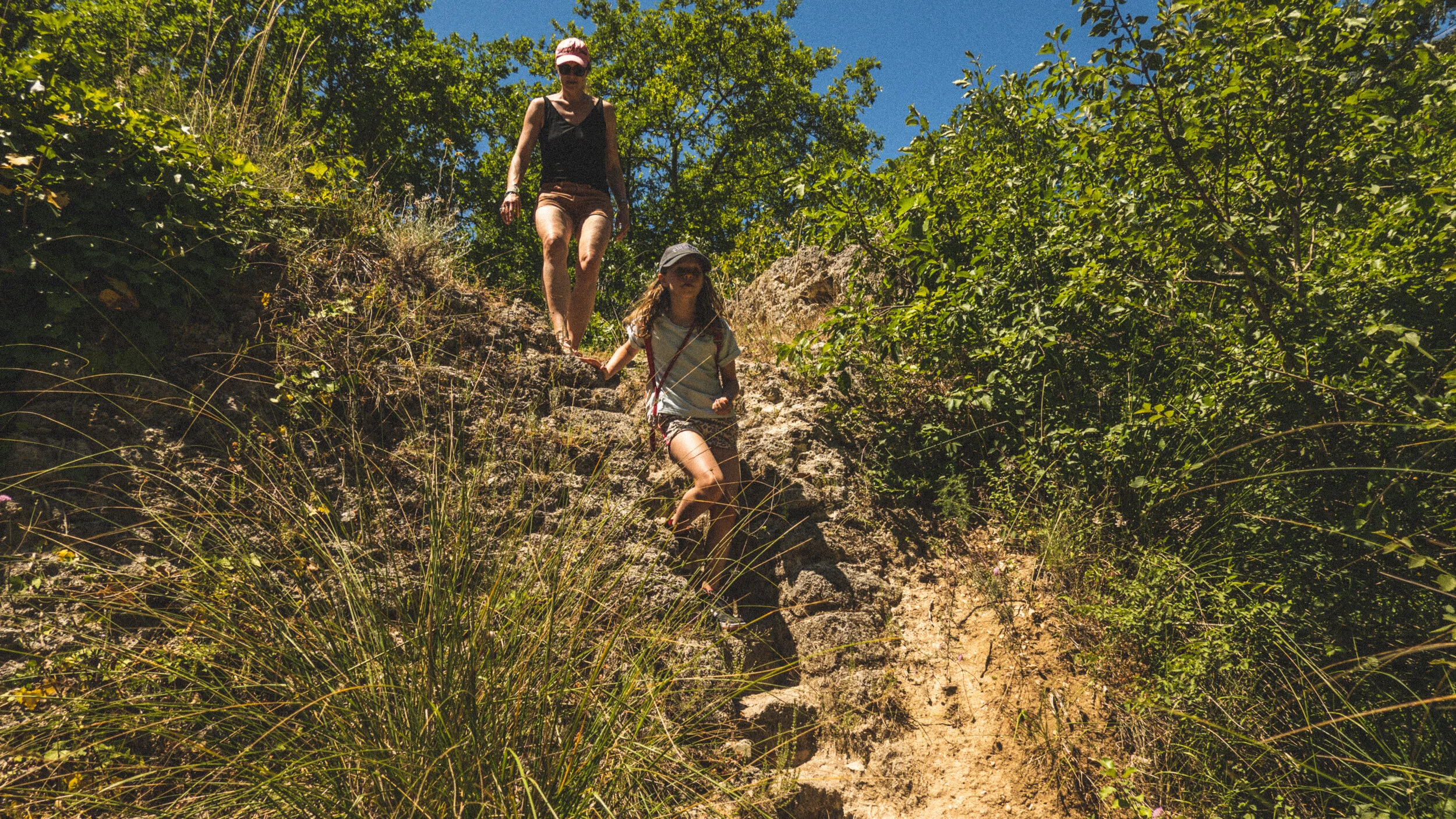
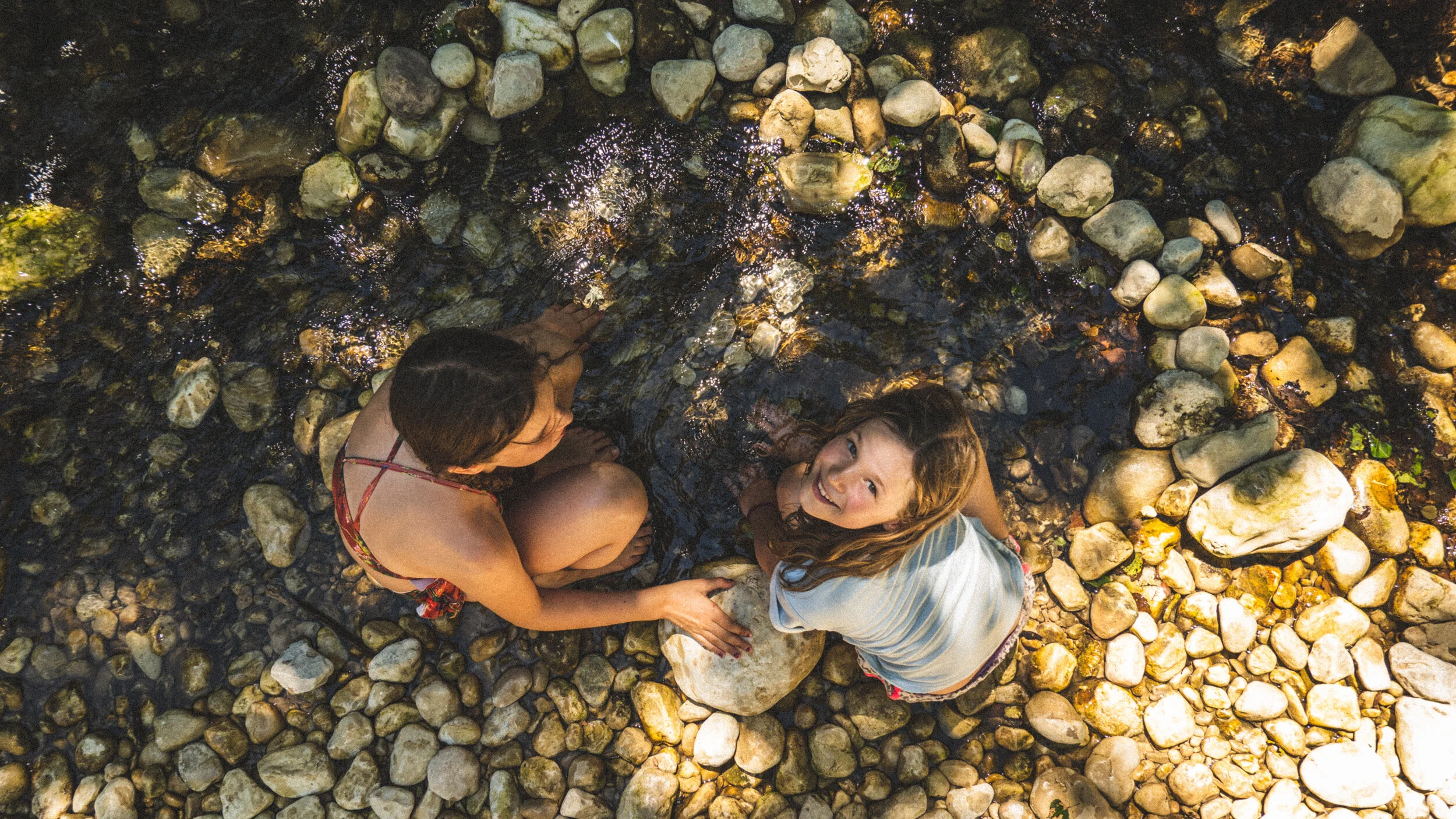
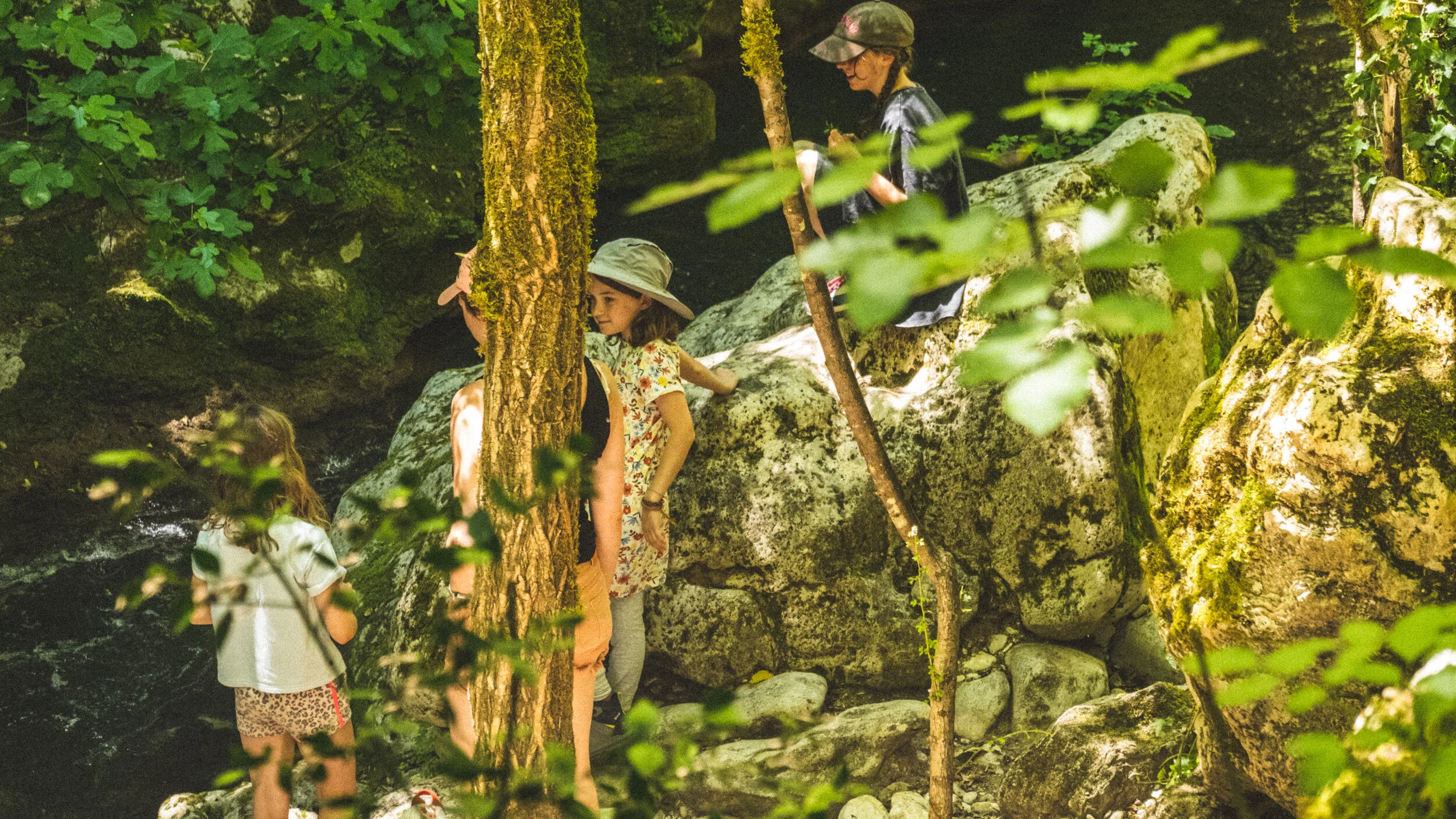
Days passed lazily. The girls swam and played by the river. We explored old monasteries and stone villages clinging to the hills. We rode horses, ate too much pizza and pasta, and watched Italy win against Belgium in the European Cup — a painful but deserved victory. And yet, as wonderful as it was, we began to feel restless. The heat was relentless, and I longed for open space, cool air, and freedom from schedules.
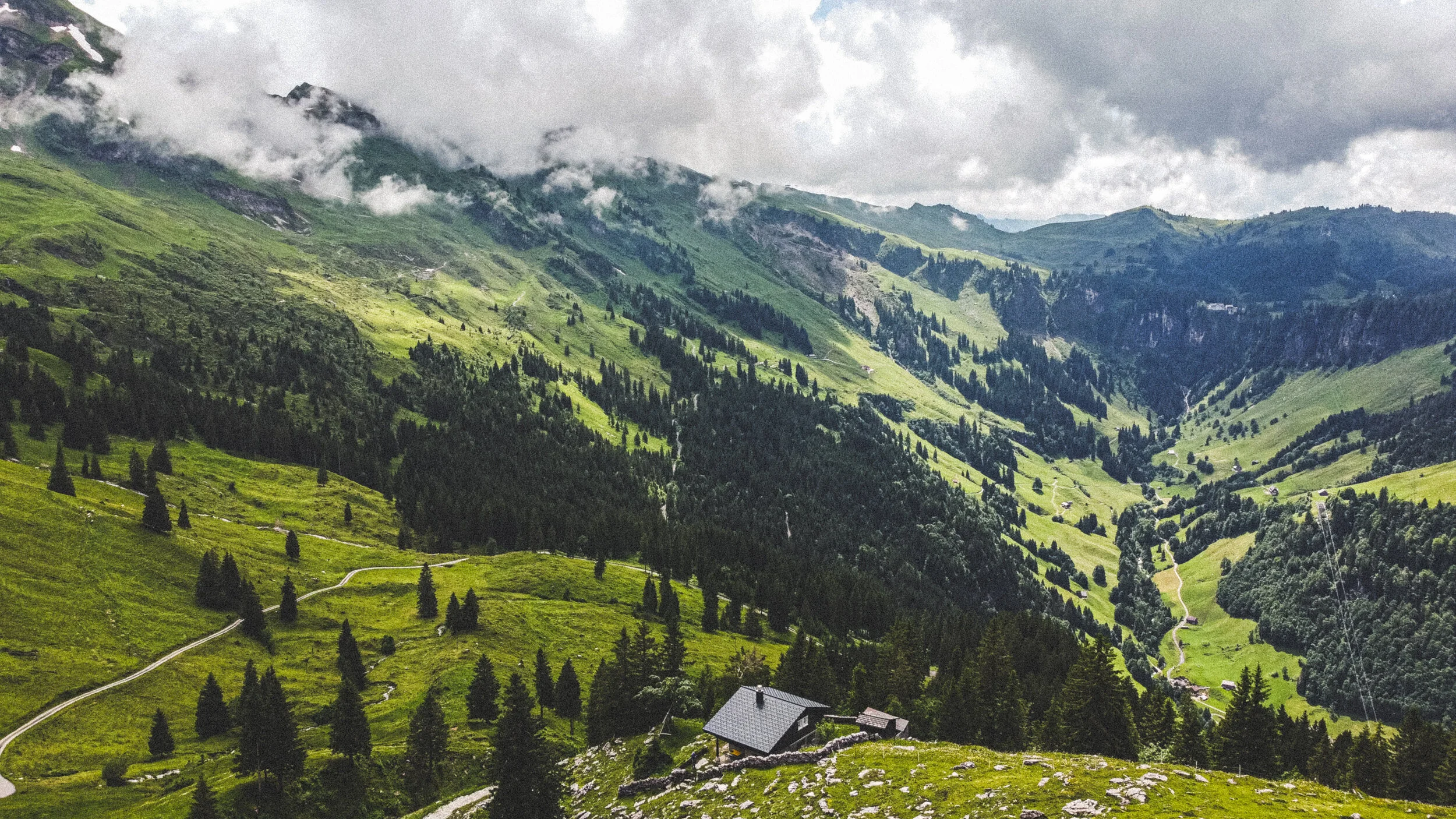
At some point, you realize that even paradise can feel too confined when you’re built to roam. After six days, it was time to move on — time to trade olive groves for alpine grass.

💡 Click on an icon to show it on the map